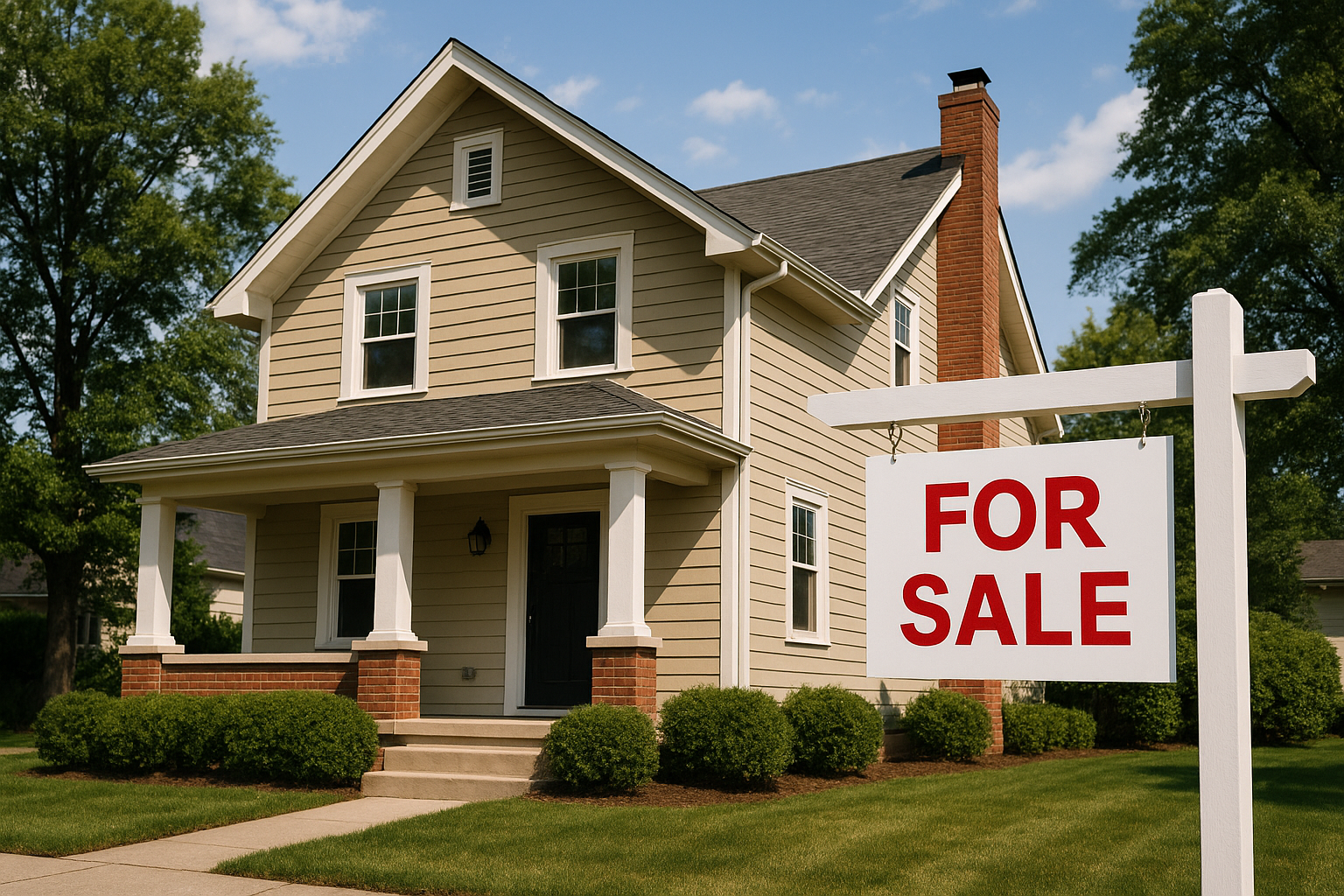
How to Sell Your House for Cash
Selling a house for cash can be a good option when you want a simpler, faster, and less stressful sale.
Many homeowners think selling a house always means hiring an agent, making repairs, cleaning everything, showing the property, waiting for offers, negotiating inspection requests, and hoping the buyer’s loan gets approved.
That is one way to sell.
But it is not the only way.
A cash sale works differently. Instead of waiting for a buyer who needs mortgage approval, you sell directly to a buyer who can purchase the property without bank financing. This can make the process faster and easier, especially if the house needs repairs, is vacant, inherited, behind on payments, or you simply do not want to deal with a long listing process.
This guide explains how to sell your house for cash, what the process usually looks like, what to check before accepting an offer, and when this option may make sense.
What Does It Mean to Sell Your House for Cash?
Selling your house for cash means the buyer is not relying on a mortgage loan to buy the property.
The buyer uses available funds to purchase the home.
That does not always mean someone brings physical cash to closing. It usually means the buyer has the money available through bank funds, business funds, investment funds, or another verified source.
A cash buyer may be:
-
A real estate investor
-
A local house-buying company
-
A landlord
-
A home flipper
-
A private buyer
-
A company that buys houses as-is
The main difference is that the sale does not depend on a lender approving the buyer’s loan.
That can remove one of the biggest delays in a traditional home sale.
Why Homeowners Sell for Cash
People sell houses for cash for many reasons.
Some sellers want speed. Others want convenience. Some have a property that is difficult to sell on the open market.
A cash sale may make sense if:
-
The house needs repairs
-
You inherited the property
-
The home is vacant
-
You are facing foreclosure
-
You are going through divorce
-
You need to relocate
-
You do not want showings
-
You do not want to pay for repairs
-
You want to sell as-is
-
You need a simpler closing
-
The property has tenants
-
The home has water, fire, or mold damage
A cash sale is not always the highest-price option, but it can be the easier option.
That is the tradeoff.
Step 1: Understand Your Home’s Condition
Before looking for a cash offer, understand the condition of your property.
You do not need to fix everything first, but you should know what you are selling.
Check for:
-
Roof issues
-
Plumbing problems
-
Electrical concerns
-
Foundation cracks
-
Water damage
-
Mold
-
Fire damage
-
Old HVAC system
-
Damaged flooring
-
Broken windows
-
Code issues
-
Tenant-related concerns
-
General repairs needed
This helps you compare offers more clearly.
If your home is in good condition, you may have more selling options. If it needs major repairs, a cash buyer may be more practical than a traditional buyer.
Step 2: Decide If You Want to Sell As-Is
Many cash home buyers purchase houses as-is.
Selling as-is means you are not agreeing to make repairs before closing. The buyer understands the home is being sold in its current condition.
This can save time and money.
You may avoid:
-
Contractor estimates
-
Repair costs
-
Cleaning
-
Painting
-
Renovations
-
Inspection negotiations
-
Buyer repair requests
-
Long preparation time
This is one of the main reasons homeowners choose cash buyers.
If your house needs work, selling as-is can make the process much easier.
Step 3: Contact a Cash Home Buyer
The next step is to contact a cash home buyer or house-buying company.
Usually, you provide basic property details, such as:
-
Property address
-
General condition
-
Reason for selling
-
Timeline
-
Repairs needed
-
Whether the home is occupied or vacant
-
Any mortgage, lien, or title concerns
A serious cash buyer will review the information and may schedule a visit or ask for photos.
The goal is to understand the property before making an offer.
Step 4: Get a Cash Offer
After reviewing the property, the buyer may give you a cash offer.
A cash offer is usually based on:
-
Property condition
-
Local market value
-
Repair costs
-
Holding costs
-
Resale potential
-
Timeline
-
Risk
-
Closing costs
Do not only look at the offer number.
Look at the full deal.
Ask:
-
Is the offer in writing?
-
Is the buyer paying cash?
-
Can they show proof of funds?
-
Are there any fees?
-
Who pays closing costs?
-
Will they buy the house as-is?
-
Can they close on your timeline?
-
Will they use a proper title or settlement company?
A lower offer with no repairs, no fees, and fast closing may sometimes be better than a higher offer with delays, repair demands, or uncertainty.
Step 5: Review the Offer Carefully
Before accepting any cash offer, read the terms.
Make sure you understand:
-
Sale price
-
Closing date
-
Inspection terms
-
Earnest money
-
Closing costs
-
As-is language
-
Any cancellation terms
-
Any seller responsibilities
A trustworthy buyer should explain the process clearly.
Be careful if someone pressures you to sign quickly, avoids questions, refuses to show proof of funds, or gives a very high offer that later drops after inspection.
A real cash sale should feel clear, not confusing.
Step 6: Open Title or Settlement
After accepting the offer, the closing process usually moves through a title company, settlement company, or attorney, depending on the location and normal practice.
The title company checks ownership, liens, taxes, mortgages, and other closing details.
If there are issues, they will need to be handled before closing.
Common title issues may include:
-
Old mortgages
-
Unpaid taxes
-
Liens
-
Estate or inheritance paperwork
-
Divorce-related ownership issues
-
Missing signatures
-
Incorrect records
This is normal in real estate.
A good cash buyer should be able to guide you through the next steps.
Step 7: Close and Get Paid
Once everything is ready, you sign the closing documents and receive payment through the proper closing process.
The closing timeline can vary.
Some cash sales may close quickly, while others take longer if there are title issues, tenant concerns, estate paperwork, or other details to handle.
The benefit is that you are not waiting on a mortgage lender, appraisal approval, or buyer financing.
That can make the sale more predictable.
Is Selling for Cash Faster?
Usually, yes.
A cash sale can often move faster than a traditional sale because there is no mortgage approval process.
Traditional sales can take longer because buyers may need inspections, appraisals, loan approval, repair negotiations, and lender review.
Cash buyers can often move faster, especially if the property is being sold as-is.
However, speed still depends on the property, title status, seller timeline, and closing process.
Will You Get Less Money Selling for Cash?
In many cases, a cash offer may be lower than a full retail listing price.
That is because cash buyers often take on repairs, risk, holding costs, cleanup, resale work, and closing speed.
But the real comparison is not just price.
You should compare:
-
Agent commissions
-
Repair costs
-
Cleaning costs
-
Holding costs
-
Mortgage payments
-
Taxes
-
Utilities
-
Inspection negotiations
-
Time on market
-
Risk of buyer financing falling through
A traditional sale may bring a higher price, but it may also require more work and time.
A cash sale may bring a lower offer, but it can reduce stress and upfront costs.
Who Should Consider Selling for Cash?
Selling for cash may be a good option for homeowners who want simplicity.
It may be especially useful if the house:
-
Needs major repairs
-
Is inherited
-
Is vacant
-
Has tenants
-
Has code issues
-
Has water or fire damage
-
Is difficult to show
-
Needs a fast closing
-
Would be hard for a traditional buyer to finance
It may also help sellers who do not want to manage agents, contractors, showings, and months of uncertainty.
When a Traditional Sale May Be Better
A cash sale is not right for everyone.
A traditional sale may be better if:
-
Your house is in great condition
-
You are not in a rush
-
You can afford repairs
-
You want to test the open market
-
You are comfortable with showings
-
You want the highest possible retail price
-
You do not mind waiting
The best option depends on your goal.
If your goal is maximum price, listing may make sense.
If your goal is speed, convenience, and fewer repairs, a cash sale may be better.
How Crest Home Buyers Can Help
Crest Home Buyers helps homeowners who want to sell without the stress of a traditional listing.
If your house needs repairs, is vacant, inherited, tenant-occupied, or you simply want a faster option, Crest Home Buyers can review the property and make a cash offer.
You can compare the offer with your other options and decide what works best for you.
There is no need to repair the house first.
There is no need to clean everything perfectly.
There is no need to deal with showings or open houses.
The goal is to give homeowners a simple way to sell when a traditional sale does not feel like the right fit.
Request a Cash Offer
Final Thoughts
Selling your house for cash can be a practical option when you want a faster and simpler sale.
It is not always the highest-price route, but it can help you avoid repairs, long timelines, showings, financing delays, and repeated negotiations.
The key is to understand the process, review the offer carefully, and work with a buyer who is clear and professional.
If you want to sell your house as-is and avoid the usual stress of listing, Crest Home Buyers can help you understand your cash sale options.
Frequently Asked Questions
Can I sell my house for cash?
Yes. Many homeowners sell houses for cash to investors, private buyers, landlords, or cash home-buying companies.
What does selling for cash mean?
It means the buyer does not need mortgage financing to purchase the property. The buyer has funds available to close.
Do I need to repair my house before selling for cash?
No. Many cash buyers purchase homes as-is, which means you do not have to make repairs before closing.
Is a cash offer lower than a traditional sale price?
Sometimes, yes. A cash offer may be lower because the buyer takes on repairs, risk, and holding costs. But it may also save you time and expenses.
How fast can a cash sale close?
A cash sale can often close faster than a traditional sale, but the timeline depends on title, paperwork, seller needs, and property details.
Is selling to a cash buyer safe?
It can be safe if you work with a professional buyer, get the offer in writing, ask for proof of funds, and close through a proper title or settlement company.
Does Crest Home Buyers buy houses for cash?
Yes. Crest Home Buyers can review your property and explain whether a cash offer may work for your situation.