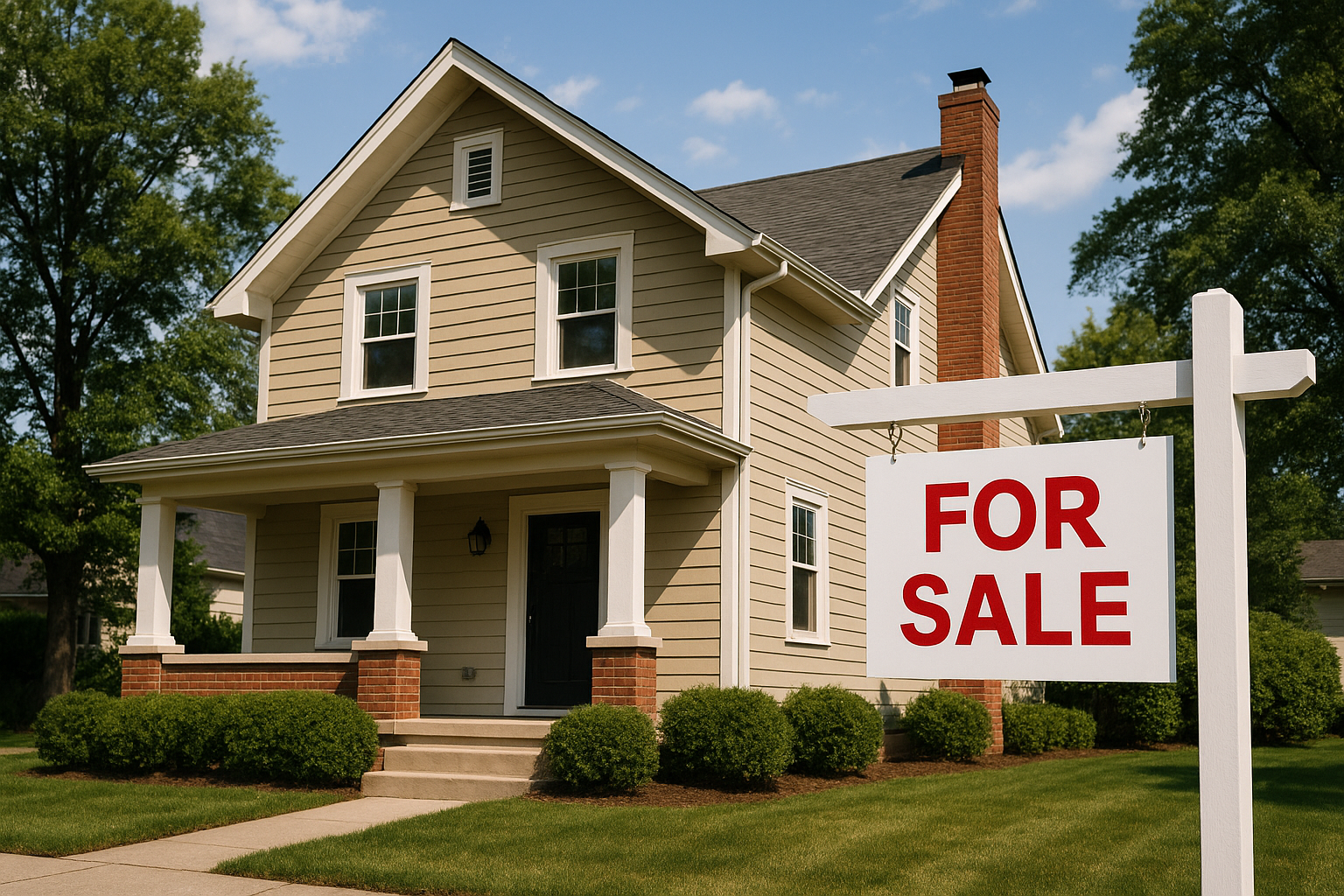
Can You Sell a House With a Mortgage? What Happens to Your Loan When You Sell?
Many homeowners think they must pay off their mortgage before selling. In most cases, that is not how the process works. You can usually sell a home while a mortgage is still attached to it, and the loan is paid off as part of closing.
What matters is whether the sale produces enough money to cover the mortgage payoff, other debts tied to the property, and the costs of selling. If money remains after those amounts are handled, it becomes part of your proceeds.
Understanding the process can help you estimate what you may keep and choose a selling method that fits your situation.
Can You Sell a House Before the Mortgage Is Paid Off?
Yes. Most homeowners do not wait until the final mortgage payment before selling.
When the home is sold, the settlement process typically includes paying the mortgage lender from the sale proceeds. Once the lender receives the amount required to satisfy the loan, the mortgage can be released so ownership can transfer to the buyer.
You generally do not need to pay the entire loan yourself before listing the property.
The more important question is whether your expected sale proceeds are enough to cover what you owe.
Mortgage Balance vs. Mortgage Payoff Amount
Your mortgage balance and payoff amount are not always identical.
The balance shown on your statement is generally the principal still outstanding. The payoff amount is what is required to fully satisfy the loan on a specific date. It can include accrued interest and other amounts due under the loan.
Before estimating what you may receive from a sale, request an updated payoff statement from your mortgage servicer rather than relying only on the balance shown online.
What Happens to Your Mortgage at Closing?
Once you accept an offer and move toward closing, the settlement professional obtains the information needed to pay the lender.
Suppose a house sells for $400,000 and the mortgage payoff is $250,000. The payoff is handled from the transaction funds. The remaining $150,000 is not automatically what the seller keeps because selling costs, liens, taxes, concessions, or other expenses may still need to be deducted.
That is why sellers should focus on estimated net proceeds rather than simply subtracting the mortgage balance from the sale price.
What Happens to Your Home Equity?
Home equity is generally the difference between the home's value and the debt secured against it.
If a home is worth $450,000 and the mortgage payoff is $280,000, the difference is about $170,000 before selling costs.
More equity gives you more room to pay transaction expenses and still receive money at closing. Limited equity does not automatically prevent a sale, but it makes accurate cost estimates more important.
How Much Equity Do I Need to Sell My House?
What If You Owe Almost as Much as the House Is Worth?
Selling can become more complicated when the mortgage payoff is close to the expected sale price.
Imagine your home may sell for $320,000 while your payoff is $300,000. At first glance, there appears to be $20,000 remaining.
However, commissions, settlement expenses, repairs, concessions, taxes, or other liens can quickly use that amount.
Before listing, estimate the likely sale price and subtract the major costs you expect to pay. This can show whether the transaction is likely to leave enough money to close without you bringing additional funds.
What If You Owe More Than the House Is Worth?
If you owe more than the property can realistically sell for, you may be underwater on the mortgage.
A normal sale may not generate enough money to satisfy the lender and other required amounts.
Do not assume the mortgage can simply remain unpaid after ownership transfers. Contact your mortgage servicer and discuss your circumstances with an appropriate real estate, legal, or financial professional.
Depending on the situation, a lender-approved short sale may be one possible route, but it is different from a standard sale and usually requires lender involvement.
What About a Second Mortgage or Other Liens?
A first mortgage may not be the only debt affecting the property.
A home equity loan, home equity line of credit, tax lien, judgment, contractor lien, or another recorded claim may also need to be addressed before ownership can transfer.
If you know about another loan or lien, gather the paperwork early. Waiting until the final days before closing can cause avoidable delays.
A cash buyer removes mortgage financing from the buyer's side, but paying cash does not erase debts already attached to the seller's property.
See How Selling to a Cash Home Buyer Works
How Much Money Will You Keep After Selling?
Start with your expected sale price.
Then subtract the mortgage payoff, other secured debts, and the expenses connected with your chosen selling method.
Possible costs include:
- Agent compensation
- Closing or settlement expenses
- Seller concessions
- Repairs
- Cleaning and preparation
- Taxes or prorations
- Liens
- Moving or storage costs
- Holding costs before closing
The remaining amount is your estimated net proceeds.
Two offers with different prices can produce surprisingly similar net results once all expenses are included.
Compare complete transactions rather than headline prices. A higher offer can still leave less than expected after repairs, concessions, and holding costs.
Can You Sell a House As-Is With a Mortgage?
Yes. The mortgage and the physical condition of the property are separate issues.
Selling as-is generally means offering the home in its current condition instead of completing major repairs before closing.
Your mortgage still needs to be satisfied through the transaction, but you do not necessarily have to renovate simply because you still owe money on the house.
Before spending heavily on improvements, compare what repairs may add to the sale price with the money and time required to complete them.
Explore Crest Home Buyers’ Sell Your House As-Is Option
Can You Sell to a Cash Buyer With a Mortgage?
Yes. A cash buyer can purchase a property even when the seller still has a mortgage.
“Cash buyer” refers to how the buyer funds the purchase. It does not mean the seller must own the house free and clear.
Your mortgage payoff can still be handled through closing.
A cash transaction may remove buyer mortgage underwriting and some financing-related delays. Still, compare the full offer with other options, including price, fees, repairs, timeline, contingencies, and expected net proceeds.
What If You Are Behind on Mortgage Payments?
If you have missed payments, timing becomes more important.
Late fees, accrued amounts, or other charges may increase what is required to satisfy the loan. If foreclosure activity has started, deadlines may also affect your options.
Do not rely on an old statement. Contact the mortgage servicer, request current payoff information, and review every notice you have received.
Selling may be possible for some homeowners if there is enough equity and enough time to complete the transaction, but the details depend on the property value, total amount owed, and stage of the lender's process.
Learn About Options for Selling a House in Foreclosure
Should You Pay Off the Mortgage Before Listing?
Usually, you do not need to pay the mortgage off before listing.
The loan normally stays in place until the sale closes. At that point, transaction funds are used to satisfy the payoff.
Instead of trying to clear the loan in advance, focus on three numbers: realistic sale price, current payoff amount, and estimated selling costs.
Together, those numbers give you a much clearer picture of what you may actually receive.
Traditional Sale vs. Direct Cash Sale With a Mortgage
Both methods can work when a mortgage is attached to the property.
A traditional listing may make sense when the home is market-ready and maximizing retail exposure is the priority. However, you may need to consider preparation, repairs, agent compensation, showings, inspections, appraisal, buyer financing, and carrying costs.
A direct cash sale may appeal to homeowners who want fewer preparation steps or less buyer-financing uncertainty.
The mortgage still has to be paid either way.
Compare the likely net proceeds from each route after considering costs and time. The strongest option is the one that produces the right combination of proceeds, certainty, timing, and effort for your situation.
How Crest Home Buyers Can Help
Crest Home Buyers works with homeowners who may still have a mortgage on the property.
If the home is outdated, vacant, inherited, rented, or needs repairs, you can request a direct cash offer and compare it with a traditional sale.
Before deciding, know your mortgage payoff and any other debts attached to the property. That information will help you understand what may remain after closing.
A direct offer does not erase the mortgage, but it gives you another way to evaluate the property without first preparing it for a conventional listing.
Request a No-Obligation Cash Offer From Crest Home Buyers
Final Thoughts
You do not need to own a house free and clear before selling it.
In a typical transaction, the mortgage is paid from the sale proceeds at closing. Other debts and selling expenses are handled as required, and the remaining amount becomes part of the seller's proceeds.
The numbers that matter most are the realistic sale price, mortgage payoff, other liens, selling expenses, and estimated net proceeds.
If you have strong equity, the process may be straightforward. If your equity is limited or you owe more than the property is worth, additional planning may be necessary.
Before accepting an offer, get current payoff information and compare the complete financial outcome of your selling options.
Understanding those numbers early can prevent last-minute surprises and help you choose a selling route that makes sense for your finances and timeline.
Frequently Asked Questions
Can I sell my house if I still owe money on it?
Yes. Many homeowners sell before their mortgage is fully paid. The existing loan is generally satisfied from the sale proceeds during closing.
Do I keep the money left after the mortgage is paid?
Other transaction costs and obligations are usually handled first. What remains after those amounts are paid becomes part of your net proceeds.
Can I sell a house with a second mortgage?
Yes, but the second mortgage or other secured debt may also need to be paid or otherwise resolved as part of the transaction.
What happens if the sale price is lower than my mortgage payoff?
The sale may not produce enough money to satisfy the lender. Contact your mortgage servicer and an appropriate professional before committing to a sale.
Can I sell my house for cash if I have a mortgage?
Yes. The buyer can purchase with cash while your existing mortgage is paid through the closing process.