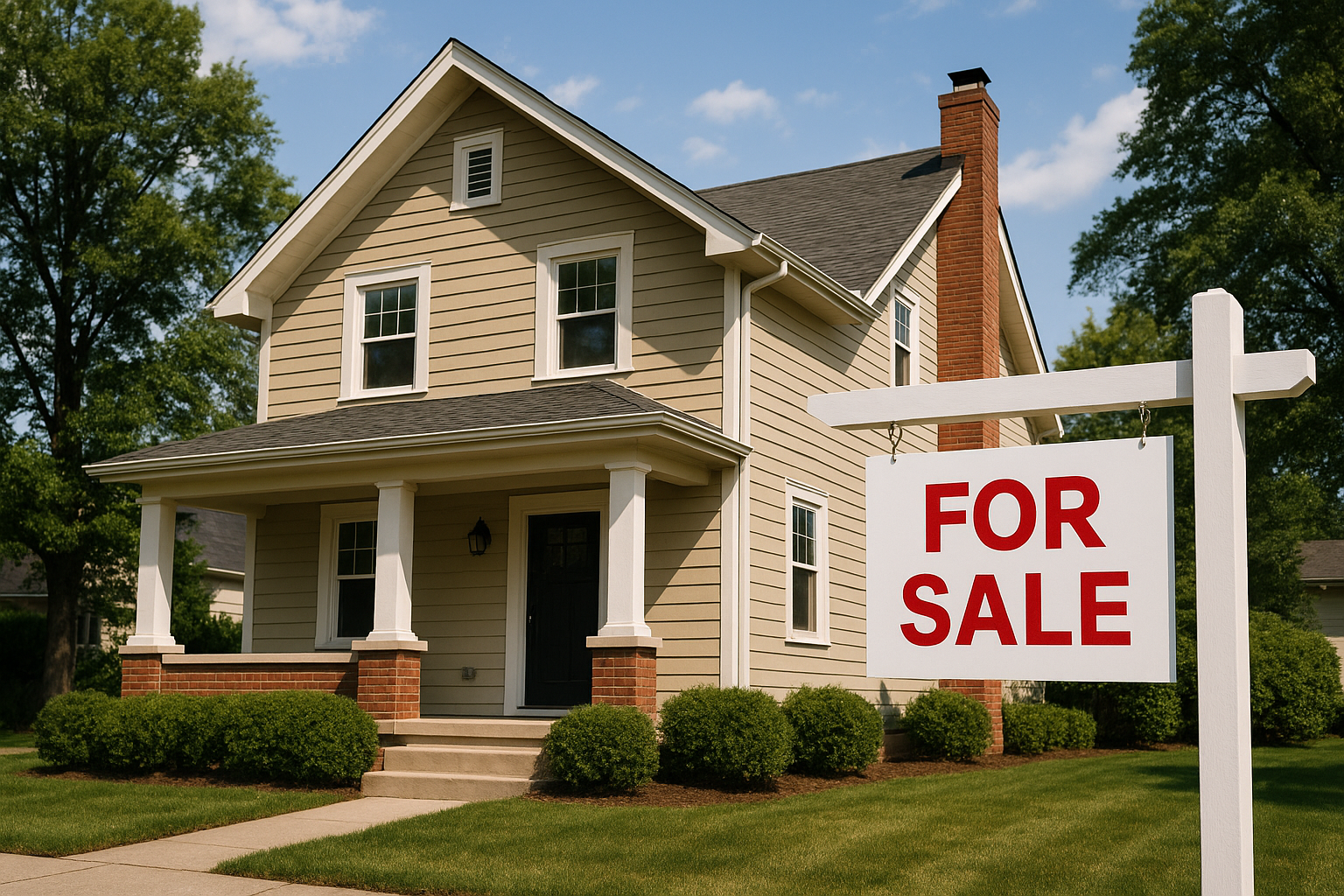
How Long Does It Take to Sell a House? A Complete Timeline From Listing to Closing
Selling a house can take a few weeks, several months, or longer. The answer depends on the property, local market, buyer, financing, title issues, and the way you choose to sell. There is no single timeline that fits every homeowner.
A traditional sale usually involves preparation, listing, showings, offers, inspections, appraisal, financing, title work, and closing. A direct cash sale may remove some of those steps, but ownership or legal issues can still cause delays.
Knowing which stage is causing delay also helps sellers make practical decisions before carrying costs, repairs, or failed contracts create additional unnecessary financial pressure.
The Home Selling Timeline at a Glance
Most sales move through the same stages: preparing the home, setting the price, listing, finding a buyer, negotiating an offer, completing inspections, handling appraisal and financing, reviewing title, and closing.
The time before and after an accepted offer can vary depending on financing, repairs, contingencies, and paperwork.
Step 1: Preparing the House for Sale
Preparation is often the first major time commitment.
Some homes need only cleaning, decluttering, landscaping, and professional photos. Others need paint, flooring, roof work, plumbing repairs, electrical updates, or renovation.
The more work you complete before listing, the longer the process can become.
Before starting expensive projects, ask whether the improvement is necessary to attract buyers and whether the likely increase in value justifies the cost and delay.
A house can sometimes be sold in its current condition without major repairs.
Selling a House As-Is: What It Means, Pros, Cons, Costs, and How It Works
Step 2: Pricing and Listing the Property
Once the house is ready, the next step is setting the asking price and launching the listing.
Pricing affects speed more than many sellers realize. A home priced too high may receive views but few serious offers. After several weeks, the seller may need to reduce the price.
A competitive price can generate stronger interest earlier.
Condition, location, photography, presentation, and showing availability also affect how quickly the property attracts buyers.
Step 3: Waiting for an Offer
This is one of the least predictable parts of the process.
A well-priced home in a competitive area may receive offers quickly. Another property may sit for weeks or months.
Buyer demand depends on location, price, condition, inventory, financing conditions, season, and competition from similar homes.
If the house is not attracting serious interest, review the price, presentation, condition, and buyer feedback.
If repairs are limiting interest, consider whether more preparation is worthwhile or whether another selling method would be more practical.
Explore Crest Home Buyers’ Sell Your House As-Is Option
Step 4: Reviewing and Accepting an Offer
Receiving an offer does not mean the sale is finished.
Review the purchase price along with the financing type, closing date, earnest money, inspection contingency, appraisal contingency, concessions, and other conditions.
A slightly lower offer with reliable financing and fewer contingencies may have a better chance of reaching closing than a higher offer with more uncertainty.
Once both parties agree, the property moves into the next stage.
Step 5: Home Inspection
Many buyers request a home inspection after the contract is signed.
The inspector may identify issues involving the roof, foundation, electrical system, plumbing, heating and cooling, moisture, windows, or other parts of the property.
The buyer may request repairs, ask for a credit, renegotiate the price, or accept the home as it is.
If major problems appear and the parties cannot agree, the transaction may be delayed or fail depending on the contract.
Step 6: Appraisal
When a buyer uses mortgage financing, the lender usually orders an appraisal to determine whether the property supports the agreed purchase price.
If the value meets the required amount, the process continues.
If the appraisal is low, the buyer and seller may need to renegotiate. The seller may reduce the price, the buyer may add cash, or both sides may find another solution.
If no agreement is reached, the deal may collapse and the seller may need another buyer.
Step 7: Buyer Financing
Mortgage approval is a common reason a traditional transaction takes time after an offer is accepted.
The lender reviews the buyer’s income, employment, credit, debts, assets, property information, and documents.
Even a preapproved buyer can face problems during underwriting.
Employment changes, new debt, missing documents, credit changes, or appraisal issues can delay approval.
A cash buyer does not need mortgage underwriting, removing this stage from the transaction.
See How Selling to a Cash Home Buyer Works
Step 8: Title Review and Closing Preparation
Before ownership can transfer, the title must be reviewed.
Problems may include unpaid liens, tax balances, judgments, old mortgages, ownership disputes, estate issues, contractor claims, or errors in public records.
Sellers can reduce delays by gathering documents early, especially if the home was inherited, jointly owned, transferred within a family, or involved in a financial dispute.
A cash sale still requires clear ownership, so title problems matter regardless of payment method.
Step 9: Final Walkthrough
The buyer may complete a final walkthrough shortly before closing.
This confirms that the property remains in the expected condition and that agreed repairs or changes were completed.
Last-minute problems can create delays if the home is damaged, agreed work is unfinished, or something important has changed.
Sellers can reduce this risk by keeping the home secure and maintained until closing.
Step 10: Closing
Closing is when the sale becomes complete.
Required documents are signed, funds are transferred through settlement, existing obligations are handled, and ownership passes to the buyer.
The house is not fully sold until closing, and problems can still appear before settlement.
What Usually Makes a Home Sale Take Longer?
Several issues repeatedly cause delays.
Overpricing can keep a home on the market longer than necessary. Major repairs can reduce buyer interest and create difficult inspection negotiations. A low appraisal can force the parties to renegotiate. Buyer financing can fail during underwriting. Title problems can prevent ownership from transferring on schedule.
Sellers can also cause delays by taking too long to provide documents, respond to requests, or make decisions.
How Can You Sell a House Faster?
If speed matters, start with factors you can control.
Set a realistic price. Gather ownership, mortgage, tax, and property documents early. Keep the house accessible for showings. Address simple problems that could discourage buyers.
Do not automatically assume a large renovation is required before selling.
If major repairs would take weeks or months, compare the likely return from completing them with selling in the property’s current condition.
Learn About Crest Home Buyers’ Fast Home Selling Option
How Fast Can a Cash Sale Close?
A cash sale can move faster because the buyer is not waiting for mortgage underwriting or lender approval.
Title still needs review, ownership must be confirmed, settlement documents must be prepared, and serious legal or estate issues may need resolution.
For sellers who want to avoid extensive repairs, repeated showings, or months of uncertainty, a direct sale can be worth comparing with a traditional listing.
Traditional Sale vs. Direct Cash Sale
A traditional listing may provide wider market exposure and the opportunity to pursue a stronger retail price. The tradeoff is a longer, more complex process.
A direct cash sale can reduce preparation, financing risk, and some transaction steps, but the offer may be lower than a potential retail sale price.
Compare net proceeds, not just headline price.
Consider repair costs, commissions, concessions, closing expenses, mortgage payments, taxes, insurance, utilities, maintenance, and the time required to reach closing.
A higher offer is not automatically the better financial result.
How Crest Home Buyers Can Help
Crest Home Buyers gives homeowners another option to compare with the traditional listing process.
If the property needs repairs, is vacant, inherited, rented, outdated, or expensive to hold, you can request a direct cash offer and compare it with your other options.
Request a No-Obligation Cash Offer From Crest Home Buyers
Final Thoughts
So, how long does it take to sell a house?
The answer depends on much more than how quickly someone makes an offer.
Preparation, pricing, market conditions, inspections, appraisal, financing, title work, negotiations, and closing all affect the final timeline.
If maximizing exposure and retail price is the priority, a traditional listing may make sense.
If repairs, holding costs, financing uncertainty, or time are bigger concerns, comparing an as-is or direct cash sale can be useful.
Before deciding, estimate your likely net proceeds, understand the property’s condition, calculate how much it costs to keep each month, and decide how long you are willing to wait.
The best option is the one that fits your financial goals and timeline.
Frequently Asked Questions
How long does it take to sell a house after accepting an offer?
The sale still needs to move through inspection, appraisal, financing, title review, document preparation, and closing. The exact timeline depends on the contract and buyer.
Can a home sale fall through before closing?
Yes. Financing problems, inspection disagreements, low appraisals, title issues, or other contract-related problems can stop a transaction before settlement.
Does selling as-is make the process faster?
It can reduce the time spent making repairs before listing and may reduce repair negotiations, depending on the buyer and contract.
Is a cash sale always faster?
Not always, but removing mortgage financing can eliminate one major source of delay. Title and ownership problems can still slow the transaction.
Should I accept the first offer if I need to sell quickly?
Not automatically. Compare the price, contingencies, financing strength, closing timeline, and likely net proceeds before deciding.