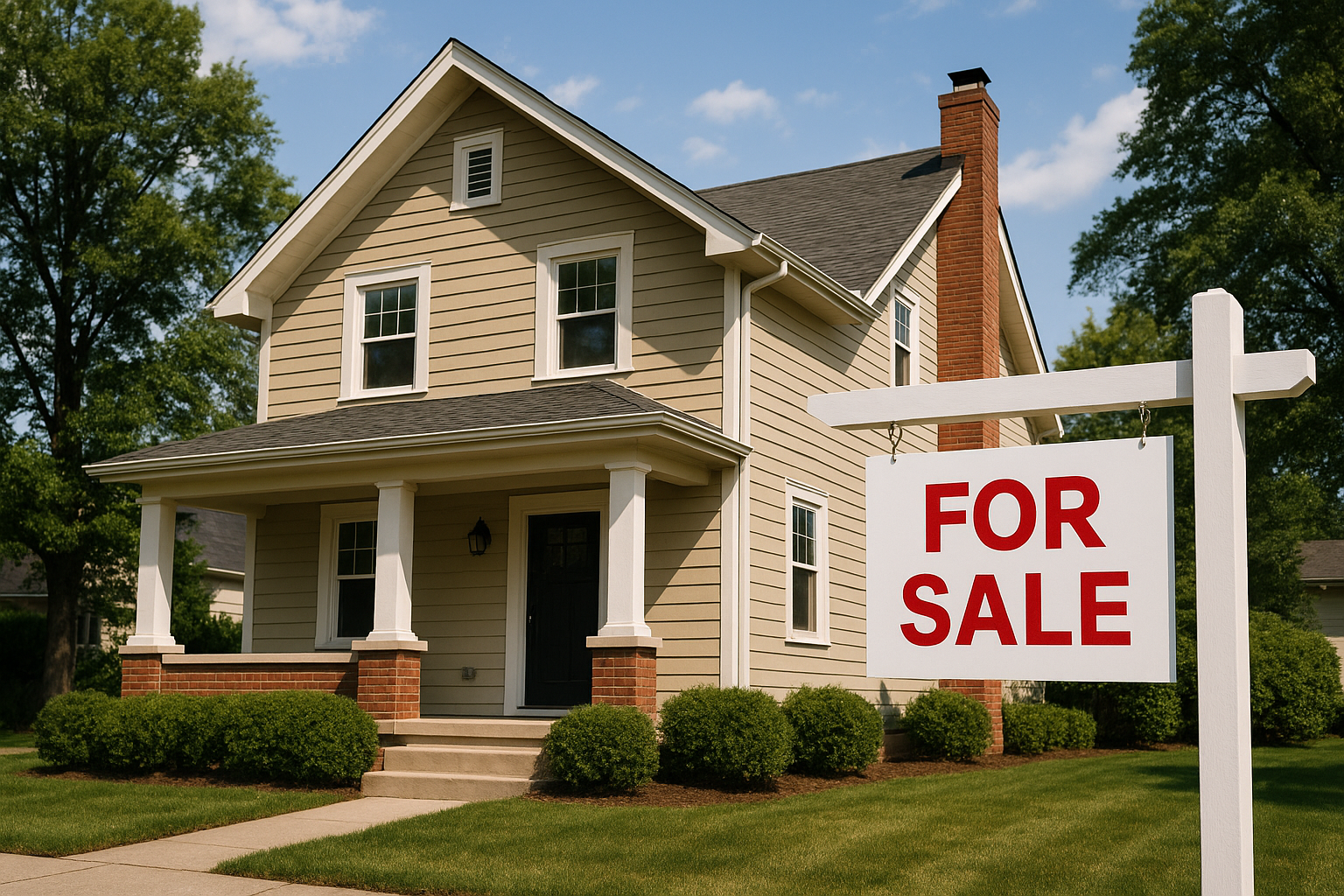
Selling a House As-Is: What It Means, Pros, Cons, Costs, and How It Works
Selling a house can become expensive when the property needs repairs, updates, cleaning, or major maintenance. Some owners do not want to spend weeks preparing for the traditional market. Others may be handling an inherited property, relocation, or a neglected house.
In those situations, selling as-is can be a practical alternative.
An as-is sale means the property is offered in its current condition without the seller agreeing to complete repairs before closing. The buyer evaluates the home as it stands and makes an offer with its condition in mind.
Understanding how as-is sales work, what they cost, and how they compare with traditional listings can help you decide whether this approach fits your situation.
What Does Selling a House As-Is Mean?
When a home is sold as-is, the seller is telling buyers that the property is being offered in its present condition.
The seller generally does not plan to renovate or fix every issue found during an inspection simply to complete the sale. The buyer evaluates the property and makes an offer based on its current condition.
However, “as-is” does not automatically remove all seller obligations. Disclosure rules vary by location, and sellers may still need to provide required information about known defects. An as-is clause is not permission to hide problems.
Why Do Homeowners Sell As-Is?
Homeowners choose as-is sales for many reasons.
A property may need more work than the owner can afford. An inherited house may be outdated or full of belongings. A landlord may be ready to stop managing a rental. Someone who moved away may not want to supervise contractors from another state.
Common situations include deferred maintenance, inherited homes, vacant properties, rentals, major repairs, and houses needing extensive cleanout.
The question is often whether improving the house is worth the time, money, and effort.
Sell Your House Fast Without Making Major Repairs
Can You Sell a House As-Is Without Making Repairs?
Yes. A property does not need to be renovated before it can be sold.
Some traditional buyers accept cosmetic work, while others may take on larger projects if the price reflects the condition. Serious defects can reduce the buyer pool and may concern buyers who depend on financing.
Cash buyers and investors are often more accustomed to evaluating properties that need work.
The Pros of Selling a House As-Is
The biggest advantage is avoiding much preparation required for a conventional sale.
You may spend less upfront because you are not automatically paying for renovations before listing. You may also get the property ready for sale faster because lengthy improvement projects are not part of the plan.
Selling as-is can also reduce contractor coordination, scheduling, and the risk of discovering new problems after work begins. For owners who inherited a property or live far away, that reduced workload can be valuable.
The Cons of Selling a House As-Is
The main disadvantage is that buyers account for needed repairs when deciding what to pay.
A renovated home may achieve a higher retail price. Buyers may subtract repair costs and risk from their offers, and some move-in-ready buyers may avoid the property. Serious defects can also make traditional financing more difficult.
That does not make an as-is sale a poor choice. It means sellers should compare convenience with the possible value of making improvements first.
What Does It Cost to Sell a House As-Is?
Selling as-is can reduce renovation expenses, but it does not eliminate selling costs.
Expenses may include closing costs, title or settlement fees, taxes, commissions, cleaning, and ongoing ownership costs. A traditional as-is listing may still involve showings, inspections, negotiations, and marketing expenses.
A direct sale may require less preparation, but the offer can be lower than a potential retail-market sale.
This is why comparing net proceeds is more useful than looking only at the highest offer.
How to Compare an As-Is Offer With a Traditional Sale
Imagine one option offers a higher price but requires repairs, commissions, months of carrying costs, and repeated showings.
Another offers less but allows you to sell in the current condition with fewer preparation expenses.
To compare them fairly, estimate what you would actually keep after repairs, contractor costs, commissions, seller concessions, closing expenses, mortgage payments, taxes, insurance, utilities, maintenance, cleanout costs, and additional months of ownership.
The higher offer is not automatically the better result.
Time matters too. Someone facing relocation, an inherited property, or rising expenses may value a simpler exit.
Do You Still Have to Disclose Problems?
Selling as-is does not mean a homeowner should conceal known defects.
Disclosure requirements differ by state and property, so sellers should understand the rules that apply to their transaction.
If you know about significant damage, title issues, environmental concerns, or other important property problems, provide the information required for the sale.
The safer approach is transparency while clearly stating that the property is being sold in its current condition and that major repairs are not planned before closing.
Cash Home Buyers in Washington DC
Should You Fix Anything Before an As-Is Sale?
Selling as-is does not prevent you from making small improvements.
Basic cleaning, removing trash, mowing the lawn, or correcting a minor safety issue can help. The key is avoiding renovations that cost more than they are likely to return.
Before spending heavily on a kitchen, bathroom, flooring, or roof project, estimate how much the work could realistically add to your net proceeds.
Sometimes a few inexpensive improvements help. In other cases, basic maintenance is enough.
Selling As-Is With a Real Estate Agent
An agent can list an as-is home on the open market and expose it to traditional buyers and investors.
This approach can make sense when the home is outdated but still broadly marketable.
You should still expect showings, negotiations, possible inspections, and a normal closing process. The advantage is wider market exposure; the disadvantage is that the process may still require time and buyer financing.
Selling As-Is to a Cash Buyer
Another option is selling directly to a cash buyer.
A cash buyer typically evaluates the home, estimates necessary work, and makes an offer based on the property’s present condition.
For sellers, the main attraction is usually convenience rather than the highest possible retail price. A direct sale may reduce renovations, staging, open houses, cleaning, and mortgage-related delays.
This route can be relevant for inherited properties, vacant homes, rentals, houses needing substantial repairs, or owners who prioritize a simpler timeline.
Cash Home Buyers in Pennsylvania
How Long Does an As-Is Sale Take?
The timeline depends on the selling method.
A traditional as-is listing may still require marketing, negotiations, inspections, appraisal, financing, and closing.
A direct cash transaction can potentially move faster because the buyer is not waiting for mortgage approval.
Title problems, probate, liens, multiple owners, or missing documents can still cause delays. If speed matters, gather important ownership and property documents early.
Who Should Consider Selling a House As-Is?
Selling as-is may make sense if you cannot afford major repairs, do not want to renovate, inherited an unwanted house, own a vacant property, are relocating, live far from the home, or are dealing with extensive deferred maintenance.
It can also suit homeowners who value convenience more than maximizing retail price. If inexpensive cosmetic improvements could significantly increase buyer demand, completing some work first may produce a better result.
How Crest Home Buyers Can Help
Crest Home Buyers offers an alternative for homeowners who do not want to repair and prepare a property for a traditional listing.
If your house is outdated, damaged, inherited, vacant, rented, or requires more work than you want to manage, you can request a cash offer and compare it with your other options.
The important comparison is not simply cash offer versus potential list price. Consider repairs, commissions, holding costs, preparation expenses, and the time required to reach closing.
Cash Home Buyers in North Carolina
Final Thoughts
Selling a house as-is can reduce upfront spending, save preparation time, and remove the burden of managing renovations before a sale.
The tradeoff is that buyers will evaluate the property’s condition and usually factor repair needs into their offers.
For some homeowners, repairing the house and listing traditionally can produce the strongest financial outcome. For others, the cost and uncertainty of improvements make an as-is sale more practical.
Before deciding, estimate repair costs, calculate how much the property costs to keep each month, compare realistic net proceeds, and consider how much time and work you are willing to invest.
The best method fits your financial goals and circumstances, and your preferred level of involvement.
Frequently Asked Questions
Does selling as-is mean I have to accept a low offer?
No. You can accept or reject offers based on your needs. “As-is” describes the property condition and repair expectations, not a required sale price.
Can a buyer inspect an as-is house?
Yes. Buyers may still inspect the property depending on the agreement. Selling as-is does not prevent a buyer from evaluating its condition.
Do I have to clean an as-is property?
Not always. A traditional listing usually benefits from cleaning, while some direct buyers may purchase homes with unwanted belongings still inside.
Is selling as-is faster?
It can be. Avoiding renovations may shorten preparation time, and a cash sale can remove mortgage-related delays.
Is selling a house as-is worth it?
It depends on condition, repair costs, timing, and priorities. Compare realistic net proceeds from a repaired traditional sale with the convenience and costs of selling in the current condition.