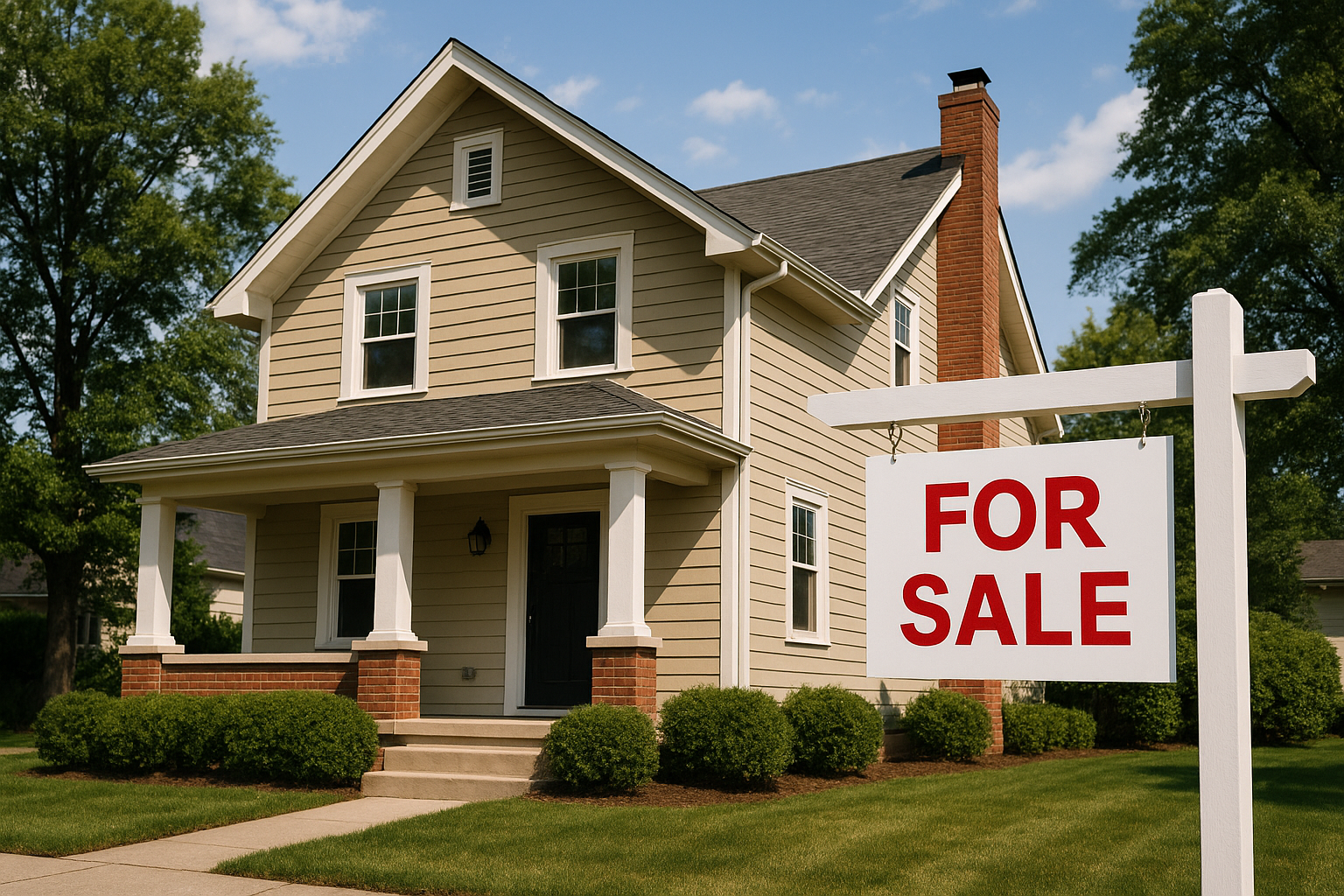
How Much Does It Cost to Sell a House? Complete Seller Cost Breakdown
Selling a house can cost more than many homeowners expect. The sale price may look impressive, but commissions, closing costs, repairs, concessions, taxes, mortgage payoff, moving expenses, and months of ownership can reduce what reaches your bank account.
That is why the better question is not simply, “What can my house sell for?” It is, “What will I actually keep after the sale?”
Your final cost depends on the property, location, condition, selling method, mortgage balance, and terms negotiated with the buyer. Understanding each expense makes it easier to compare a traditional listing with an as-is or direct cash sale.
Start With Your Net Proceeds
Net proceeds are the money left after the amounts connected with the sale are deducted from the purchase price.
A simple estimate is:
Sale price minus mortgage payoff minus selling expenses equals estimated net proceeds.
The highest offer does not always produce the highest net result. A strong retail offer may require repairs, commissions, concessions, and months of carrying costs. A lower offer with fewer expenses can sometimes leave the seller closer than expected.
Before choosing how to sell, estimate what you would actually keep under each option. Every dollar affects your outcome.
Real Estate Agent Compensation
Agent compensation can be a significant expense in a traditional sale.
The amount is negotiable and depends on the brokerage agreement, market, property, and services provided. Read the listing agreement carefully so you know what compensation may be due.
Do not compare agents only by fee. Pricing, marketing, negotiation, communication, and the ability to reach closing can affect the final result.
Seller Closing Costs
Closing costs are expenses connected with transferring the property and completing the transaction.
Depending on the location and deal, they may include settlement or escrow charges, title-related fees, recording expenses, transfer-related charges, attorney fees where applicable, and administrative costs.
Some charges are fixed while others depend on the sale price or local rules.
Because these costs vary, ask the settlement or closing professional for an estimate rather than relying on one generic percentage.
See How Crest Home Buyers Buys Houses for Cash
Repairs Before Selling
Repairs can change the economics of a home sale quickly.
One property may need only paint and minor maintenance. Another may need roofing, plumbing, electrical, foundation, HVAC, flooring, windows, or water-damage work.
The question is whether the repair is likely to return enough additional value to justify its cost and delay.
Get estimates before starting expensive projects. Compare the expected selling price after repairs with the likely price and expenses of selling in the current condition.
Selling a House As-Is: What It Means, Pros, Cons, Costs, and How It Works
Cleaning, Decluttering, and Staging
Preparing a home for retail buyers can create smaller costs that add up.
Professional cleaning, junk removal, landscaping, storage, photography, and staging may all be part of the process.
Not every property needs every service. Spend where preparation is likely to increase buyer interest rather than treating every cosmetic upgrade as essential.
Seller Concessions
A buyer may ask the seller to provide a credit or contribute toward certain transaction expenses.
Concessions can arise during the original offer or after an inspection. Any concession reduces the seller’s proceeds.
That is why offers should be compared as complete packages. A higher purchase price paired with large concessions may be financially weaker than a lower offer with cleaner terms.
Inspection Problems and Repair Requests
The buyer may pay for the inspection, but the findings can still cost the seller money. An inspection can uncover roof damage, leaks, electrical concerns, moisture, foundation problems, or failing equipment.
Depending on the contract, the seller may agree to repairs, credits, or a price adjustment. If the property needs extensive work, consider whether preparing it for a conventional retail buyer is worth the expense.
Explore Crest Home Buyers’ Sell Your House Fast Option
Mortgage Payoff and Other Liens
If you still have a mortgage, the outstanding loan normally must be paid from the sale proceeds.
The payoff is not a selling fee, but it directly affects the amount you receive at closing. Your regular statement may differ from the final payoff because interest and adjustments continue through settlement.
Other liens secured against the property may also need to be resolved.
A high sale price can still result in limited cash to the seller when substantial debt remains.
Property Taxes and Prorations
Taxes, association charges, rent, or other property-related amounts may be divided between buyer and seller according to the closing date and local practice.
These adjustments are often called prorations. Whether you owe money or receive a credit depends on what has already been paid, the period covered, and the contract.
Holding Costs While the House Sells
Time itself can be expensive.
Every extra month of ownership may include a mortgage payment, property taxes, insurance, utilities, HOA dues, lawn care, security, and maintenance.
If you spend months renovating and marketing the property, those costs continue before closing expenses are considered.
This is why a slower sale is not automatically more profitable because the eventual price is higher.
Estimate your monthly carrying cost when comparing a traditional listing with a faster selling option.
Moving, Storage, and Cleanout Costs
You may also pay for movers, packing materials, storage, temporary housing, travel, utility transfers, or disposal of unwanted belongings.
If you move before the house sells, you could temporarily carry expenses for two properties. These costs may not appear on the settlement statement, but they still affect the financial result.
Tax Considerations
Tax consequences depend on the seller and property.
Some homeowners may qualify for federal exclusions on gains from the sale of a primary residence, while rental, investment, inherited, or high-gain properties can involve different considerations.
For meaningful tax questions, consult a qualified tax professional who can review your circumstances.
Traditional Sale Versus Selling As-Is
A traditional listing can expose the property to a broad group of buyers and may help pursue a strong retail price.
Getting the property ready, however, may involve repairs, cleaning, staging, commissions, concessions, and carrying costs.
Selling as-is can reduce preparation and allow the property to be marketed in its current condition. Buyers will usually account for required work when deciding what to offer.
Neither method is automatically more profitable. Compare the likely net proceeds, time, risk, and workload associated with each.
Traditional Sale Versus a Direct Cash Offer
A direct cash offer can be useful when a homeowner wants to avoid extensive preparation or mortgage-related buyer delays.
Cash buyers may consider outdated, inherited, vacant, rented, or repair-heavy properties. The offer may be lower than the price a fully prepared home could achieve on the open market, but certain repair, marketing, financing, and holding costs may also be reduced.
Do not compare a cash offer with an ideal retail price alone. Compare it with the realistic amount you expect to keep after the full cost of a traditional sale.
Learn How Crest Home Buyers’ Process Works
A Simple Seller Cost Example
Suppose a homeowner expects a higher price through a traditional listing but must spend money on repairs, cleaning, commissions, concessions, and several months of ownership.
A direct option offers less but requires minimal preparation and a shorter timeline.
Either option could produce the better result. Create a simple worksheet using each expected sale price, then subtract the mortgage payoff, repairs, selling expenses, concessions, closing costs, carrying costs, and other relevant expenses.
Compare what remains rather than judging the options by sale price alone.
How to Reduce Your Selling Costs
Start by avoiding expenses that do not clearly improve your expected return.
Get multiple estimates for major repairs. Review your listing agreement. Request an estimate of closing expenses. Keep the property maintained so minor problems do not become expensive ones.
If the home needs significant work, compare renovation with an as-is sale before committing to contractors.
If monthly carrying costs are high, include time in your calculation.
Reducing costs is about finding the route that creates the strongest balance of proceeds, time, risk, convenience, and effort.
How Crest Home Buyers Can Help
Crest Home Buyers gives homeowners another selling option to compare with a traditional listing.
If your house needs repairs, is inherited, vacant, rented, outdated, or expensive to maintain, you can request a direct cash offer without first completing a major renovation.
Compare that offer with the likely net proceeds from listing. Include repairs, commissions, concessions, closing expenses, carrying costs, and preparation time.
Request a No-Obligation Cash Offer From Crest Home Buyers
Final Thoughts
The cost of selling a house is rarely one simple fee.
Agent compensation, closing expenses, repairs, concessions, mortgage payoff, taxes, holding costs, moving expenses, and preparation can all reduce what a seller ultimately keeps.
That is why net proceeds should guide the decision.
A traditional sale may make sense for a market-ready property when maximizing exposure and price is the priority. Selling as-is may be more practical when repairs are expensive. A direct cash sale may appeal to homeowners who value speed, convenience, or avoiding extensive preparation.
Estimate the realistic cost of each option instead of comparing sale prices alone.
The best strategy is the one that leaves you with the right combination of money, certainty, time, and effort.
Frequently Asked Questions
What is the biggest cost when selling a house?
It varies. Agent compensation, major repairs, mortgage payoff, concessions, and carrying costs can each have a large effect depending on the property and transaction.
Do I need money upfront to sell?
Possibly. Repairs, cleaning, landscaping, staging, moving, storage, and other preparation expenses may need to be paid before closing.
Is selling as-is cheaper?
It can reduce upfront repair and preparation costs, but buyers may offer less for a property that needs work. Compare net proceeds rather than expenses alone.
Are seller closing costs always the same?
No. Closing costs vary by location, sale price, service providers, contract terms, and transaction structure.
How do I estimate what I will keep?
Start with the expected sale price. Subtract your mortgage payoff, selling expenses, repairs, concessions, taxes or prorations, carrying costs, and other relevant expenses. The result is an estimate of your net proceeds.