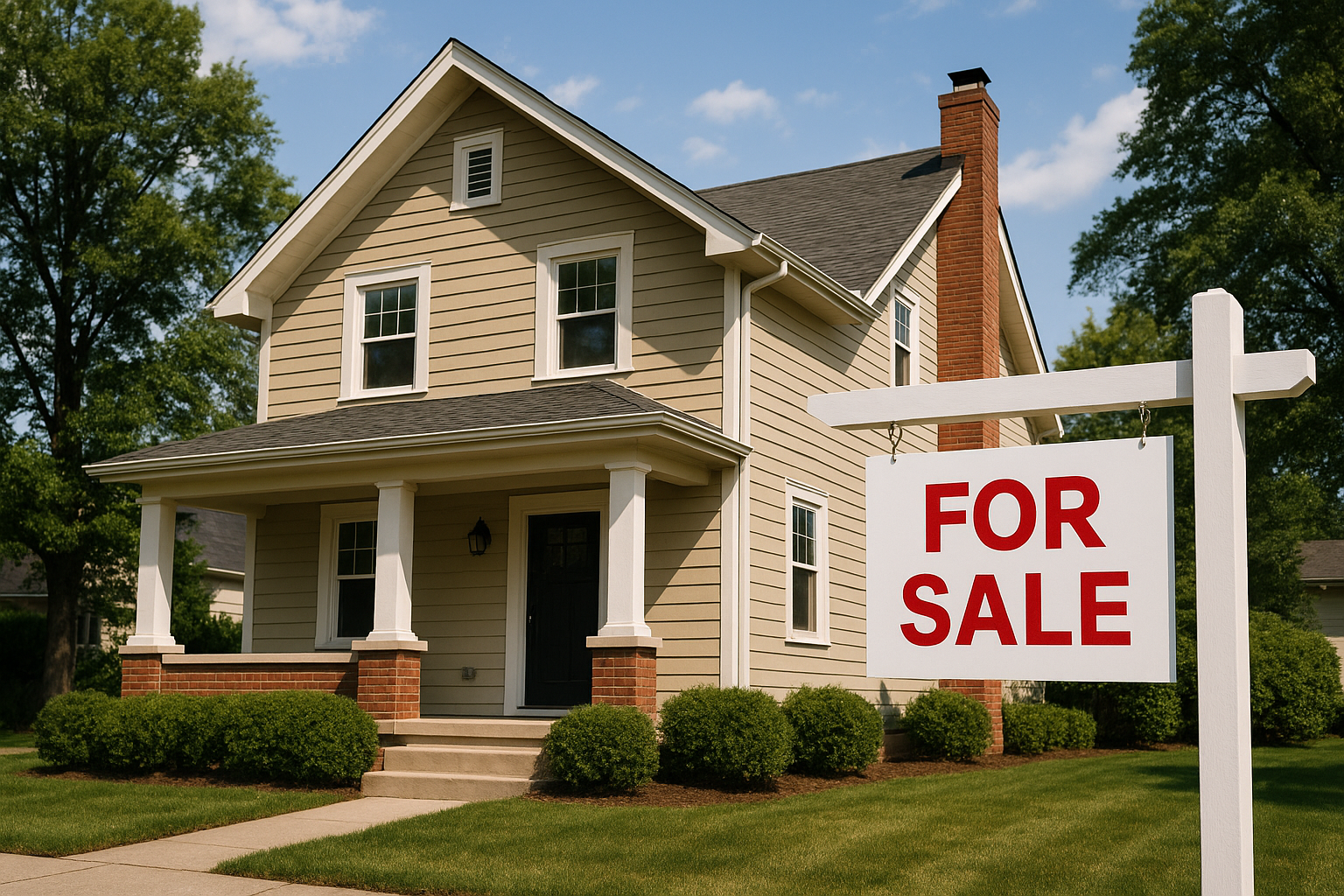
Cash Home Buyers in Manassas, VA: What Sellers Should Know
Selling a house does not always have to mean repairing it, preparing it for photography, scheduling showings, and waiting for a buyer to obtain mortgage approval.
Some Manassas homeowners choose to sell directly to a cash home buyer instead.
A cash sale can be useful when speed, convenience, or selling a property in its current condition matters more than following the traditional listing process. However, receiving a cash offer does not automatically mean it is the right offer.
Sellers should understand who they are dealing with, how the offer was calculated, what the contract says, and what they are likely to receive after any deductions.
If you are considering cash home buyers in Manassas, VA, here is what you should know before making a decision.
What Is a Cash Home Buyer?
A cash home buyer is a person or company that plans to purchase a property without depending on a traditional mortgage loan to fund the transaction.
That does not mean physical cash changes hands at the kitchen table.
A legitimate real estate transaction still normally goes through a settlement process where documents are signed, ownership is transferred, title matters are handled, and funds are distributed according to the transaction.
The main difference is that the buyer is not waiting for mortgage underwriting and lender approval.
For sellers, that can remove one potential source of delay, although no type of sale can guarantee a particular closing date.
Why Do Manassas Homeowners Consider Cash Buyers?
Homeowners consider direct cash sales for many different reasons.
A property may need significant repairs. The owner may have inherited a house they do not want to maintain. A relocation could create a short timeline, or a vacant property may be becoming expensive to carry.
Other situations can include:
- Divorce or separation
- Difficult rental properties
- Deferred maintenance
- Water or fire damage
- Financial pressure
- An unwanted inherited property
- A house filled with belongings
- A property that did not sell traditionally
Not every cash seller is in financial distress.
Some homeowners simply place a higher value on convenience and certainty than on preparing the property for the widest possible retail market.
How Does Selling a House for Cash Work?
The exact process varies by buyer, but a direct sale often starts with the homeowner providing basic information about the property.
The buyer may ask about the house's location, condition, repairs, occupancy, and the seller's preferred timeline.
The buyer then evaluates the property and may inspect or visit it before making an offer.
If the seller decides to move forward, both sides sign a purchase agreement. Title and settlement work then takes place before the transaction closes.
Do not assume every company operates the same way.
Ask about the process before signing anything, including whether an inspection is required, whether the offer can change afterward, and what conditions must be satisfied before closing.
Can You Sell a Manassas House As-Is?
A homeowner can market a property in its current condition rather than agreeing in advance to make repairs.
This is commonly described as selling as-is.
For sellers, this can eliminate the need to renovate outdated rooms, replace flooring, repaint the entire home, or complete other improvements simply to prepare for the market.
However, an as-is sale does not mean sellers can ignore applicable legal obligations.
Virginia's Residential Property Disclosure Act governs disclosures for many residential property transactions. Virginia uses a disclosure framework that generally places significant due-diligence responsibility on purchasers, while certain circumstances require affirmative written disclosures. DPOR's current residential disclosure statement became effective July 1, 2026.
Because requirements depend on the property and transaction, sellers who are uncertain about their obligations should consult an appropriate Virginia real estate professional or attorney.
Do Cash Buyers Purchase Houses That Need Repairs?
Some do.
This is one reason homeowners with properties needing substantial work may explore direct buyers.
A house might have:
- An old roof
- Outdated kitchens or bathrooms
- Damaged flooring
- Plumbing problems
- HVAC issues
- Water damage
- Unfinished renovations
- General deferred maintenance
A direct buyer may factor the property's condition and expected repair costs into the offer rather than requiring the seller to complete those repairs beforehand.
That convenience comes with a tradeoff.
An as-is cash offer may be lower than what the property could potentially sell for after repairs and full market preparation.
Sellers should compare the likely net result of each option, not just the amount of work involved.
How Are Cash Offers Calculated?
There is no single formula used by every cash home buyer.
A buyer may consider the property's location, current condition, comparable sales, likely repair costs, holding expenses, resale risk, and the return required for the transaction to make financial sense.
That is why two buyers can look at the same Manassas property and make different offers.
If an offer seems much lower than you expected, ask how the buyer reached the number.
You do not have to agree with the calculation, but you should understand it before signing a contract.
It can also be useful to compare the cash offer with an estimated traditional sale after accounting for preparation, repairs, commissions where applicable, concessions, carrying costs, and time.
Is the Highest Offer Always the Best Offer?
No.
Price matters, but an offer contains more than one number.
Compare:
- Purchase price
- Inspection terms
- Financing conditions
- Closing date
- Repair requirements
- Seller-paid costs
- Other fees or deductions
- Contingencies
- Earnest money terms
- Whether the offer can be changed before closing
An offer that appears higher initially may result in less money to the seller if it includes significant deductions later.
A lower offer with straightforward terms may sometimes provide more certainty.
Read the complete agreement rather than comparing only the first number shown on the page.
Ask for Proof of Funds
If a buyer says the purchase is a cash transaction, it is reasonable to ask how the purchase will be funded.
The exact form of evidence can vary, but the goal is to establish that the buyer has a credible ability to complete the purchase.
Do not rely only on a verbal statement that someone can close.
A professional buyer should also be willing to explain who is purchasing the property and what happens between contract signing and settlement.
Understand Who Is Actually Buying Your House
This question is especially important when dealing with investors.
Some companies purchase properties themselves.
Others enter into contracts and may intend to assign their contractual rights to another investor, where permitted by the agreement and applicable law.
Those are not necessarily the same business model.
Ask directly:
Are you purchasing the property yourself, or do you intend to assign the contract?
Then read the purchase agreement to make sure you understand what you are agreeing to.
If contract language is unclear, obtain independent professional advice before signing.
Watch for Unexpected Fees
A cash offer should be evaluated based on what you are expected to receive at closing.
Ask whether the buyer charges any service, administrative, transaction, or other fees.
Also ask which normal settlement costs each side is expected to pay.
Do not assume that phrases such as “no fees” or “we pay closing costs” apply to every possible expense unless the written agreement clearly explains the arrangement.
The contract and settlement documents matter more than advertising language.
What if You Still Have a Mortgage?
You can usually sell a home even if a mortgage is still attached to it.
The mortgage generally must be satisfied as part of the transaction.
One number sellers should understand is the payoff amount.
The Consumer Financial Protection Bureau explains that a mortgage payoff amount is not necessarily the same as the current balance shown on a statement. It can include interest through the payoff date and certain other unpaid amounts.
Requesting an updated payoff amount can help you estimate what may remain from the sale after the loan and other transaction costs are addressed.
How Fast Can a Cash Sale Close?
Cash transactions can sometimes close more quickly because there is no buyer mortgage underwriting process.
But sellers should be careful with guaranteed promises.
Title issues, liens, probate matters, ownership questions, documentation, contract conditions, or other complications can still delay settlement.
If a buyer advertises an extremely fast closing, ask whether that timeline applies to your specific property and whether anything could extend it.
A realistic closing date written into the agreement is more useful than a general marketing promise.
Red Flags to Watch For
Selling quickly should not mean ignoring basic precautions.
Be cautious if a buyer:
- Pressures you to sign immediately
- Refuses to explain the agreement
- Will not identify the purchasing party
- Makes major last-minute price changes without a clear reason
- Uses unclear fee language
- Avoids questions about funding
- Makes guarantees that are not supported by the contract
A legitimate buyer should be comfortable with reasonable questions.
You should understand the offer before accepting it.
When Does a Cash Sale Make Sense?
A direct cash sale may be worth considering if you value a simpler process, want to avoid extensive repairs, need more control over the timeline, or own a property that may be difficult to prepare for a traditional listing.
It may not be the best option for everyone.
If the house is already market-ready, you are not in a hurry, and maximizing potential sale price is your main priority, comparing a traditional listing may make sense.
The right choice depends on what matters most to you.
Final Thoughts
Cash home buyers in Manassas, VA can provide another route for homeowners who do not want to follow a traditional listing process.
But convenience should not replace careful decision-making.
Understand how the buyer calculated the offer, confirm who is purchasing the property, review fees and deductions, ask about funding, and read the entire purchase agreement.
If you still have a mortgage, understand your payoff amount. If you are selling as-is, remember that applicable Virginia disclosure requirements can still matter.
Most importantly, compare the full transaction rather than focusing only on speed.
A good selling option is one that fits your timeline, property condition, financial priorities, and comfort level.
Get a Cash Offer for Your Manassas Home
If you own a house in Manassas and want to explore selling it directly, Crest Home Buyers can provide a no-obligation cash offer for you to consider.
You can review the offer, compare it with your other selling options, and decide whether a direct sale makes sense for your situation.
Frequently Asked Questions
Can I sell my Manassas house for cash without repairs?
Depending on the buyer, yes. Some cash buyers purchase homes in their current condition, allowing sellers to avoid completing repairs before the sale.
Is selling to a cash buyer legal in Virginia?
Cash real estate transactions are permitted, but sellers and buyers still need to comply with applicable contracts, title requirements, disclosures, and other laws affecting the transaction.
Do I need an inspection to sell for cash?
Not necessarily. The purchase agreement determines whether the buyer has an inspection or due-diligence condition. Ask about this before accepting an offer.
Can I sell for cash if I still owe money on my mortgage?
Yes, provided the transaction can satisfy the mortgage and other amounts that must be paid. Ask your mortgage servicer for an accurate payoff amount.
How quickly can I sell my house for cash?
Cash transactions may avoid mortgage-financing delays, but there is no universal closing time. Title problems, liens, documentation, and contract conditions can affect the schedule.
Should I get more than one cash offer?
You can. Comparing offers can help you evaluate price, fees, contingencies, closing dates, and other terms instead of choosing based only on one headline number.