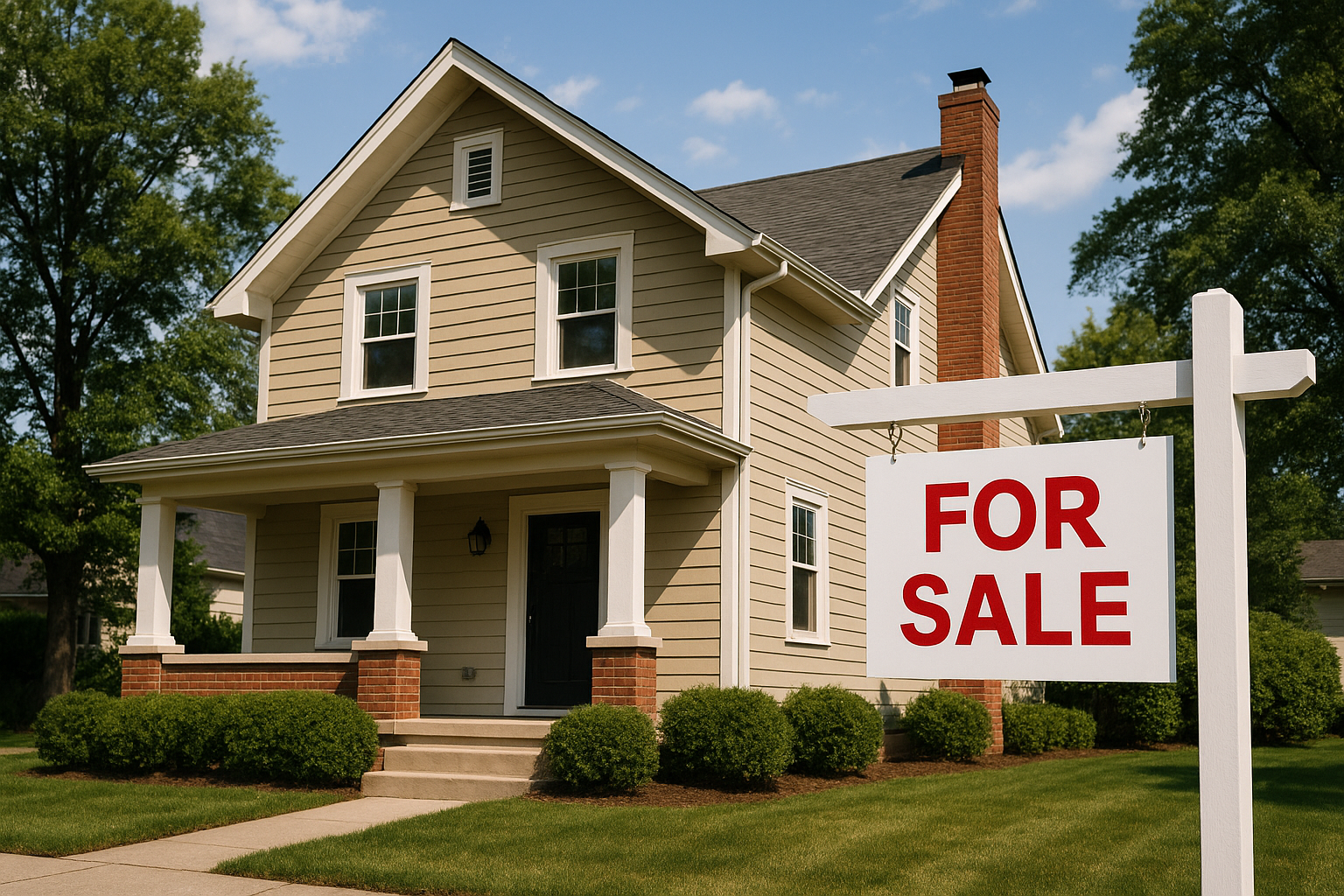
Best Way to Sell a House Fast Without Repairs
Selling a house can feel stressful when the property needs repairs.
Maybe the roof is old. Maybe the floors are damaged. Maybe the kitchen needs updates. Maybe there are plumbing issues, water damage, electrical problems, or years of maintenance that were never finished.
Many homeowners look around the house and think:
Do I have to fix all of this before selling?
The answer is no.
You can sell a house without making repairs first. The best option depends on your timeline, budget, property condition, and how much work you want to handle before closing.
If your main goal is to sell fast without repairs, an as-is cash sale is often the simplest option. It can help you avoid contractors, showings, inspection negotiations, and months of waiting.
This guide explains your options and what to know before selling a house that needs work.
What Does It Mean to Sell Without Repairs?
Selling without repairs means you are not fixing the home before closing.
The house is sold in its current condition.
This is often called selling as-is.
That does not mean the house has to be falling apart. A home may be sold as-is because the seller does not want to repaint, replace flooring, update old fixtures, repair a roof, fix plumbing, or handle inspection requests.
Selling as-is can be helpful when:
-
You need to sell quickly
-
You do not have money for repairs
-
You inherited the house
-
The home is vacant
-
The property has tenants
-
You live out of state
-
The repairs feel overwhelming
-
You do not want to manage contractors
-
You want a simpler sale
The key is finding the right buyer.
Option 1: List the House Traditionally
One option is to list the house with a real estate agent.
This can work if the repairs are minor or if the market is strong enough that buyers are willing to take on the work.
A traditional listing may help you reach more buyers.
But if the house needs serious repairs, the process can become harder.
Traditional buyers may ask for:
-
Repairs before closing
-
Price reductions
-
Seller credits
-
Extra inspections
-
Contractor estimates
-
More time to decide
Some buyers may walk away after inspection.
Others may not be able to get financing if the home has major safety, structure, or livability issues.
A traditional sale may bring a higher sale price, but it can also take more time, more preparation, and more uncertainty.
Option 2: Make Repairs Before Selling
Some sellers choose to repair the house first.
This may make sense if the repairs are affordable and the seller has time.
Repairing before selling may help:
-
Improve listing photos
-
Attract more buyers
-
Reduce inspection problems
-
Increase the possible sale price
-
Make the home easier to finance
-
Create a better first impression
But repairs are not always simple.
A small project can become bigger once contractors start working. A bathroom repair can reveal plumbing issues. A roof leak can reveal ceiling or mold damage. Flooring replacement can reveal subfloor problems.
Before making repairs, ask yourself:
-
How much will repairs cost?
-
How long will they take?
-
Do I have the money upfront?
-
Will repairs increase the sale price enough?
-
Can I manage contractors?
-
What if more problems are found?
-
Do I need to sell soon?
If the answer feels stressful, selling without repairs may be better.
Option 3: Sell to a Cash Home Buyer
If you want to sell fast without repairs, selling to a cash home buyer is often the most practical option.
A cash home buyer can purchase the property without mortgage financing.
Many cash buyers also buy houses as-is. That means you do not have to fix the roof, clean out every room, replace old flooring, update the kitchen, or make the home look perfect.
This option may work well if the house has:
-
Water damage
-
Fire damage
-
Mold concerns
-
Foundation issues
-
Old plumbing
-
Electrical problems
-
Roof damage
-
Code violations
-
Tenant issues
-
Heavy repairs
-
General wear and tear
A cash offer may be lower than a fully repaired retail sale price, but it can save time, repair money, holding costs, and stress.
Why Selling As-Is Can Be Faster
Selling as-is can be faster because you skip many steps.
You do not have to wait for contractors. You do not have to complete renovations. You do not have to prepare the home for open houses. You do not have to keep the property show-ready for weeks.
You also reduce the chance of long inspection negotiations.
In a traditional sale, the buyer may ask for repairs after inspection. This can delay the closing or cause the deal to fall apart.
With an as-is cash sale, the buyer already understands the condition of the home.
That can make the process more direct.
What Repairs Can You Avoid?
The exact repairs depend on the buyer, but many cash buyers will consider homes with major issues.
You may not need to repair:
-
Roof problems
-
Broken windows
-
Old flooring
-
Damaged drywall
-
Outdated kitchens
-
Outdated bathrooms
-
Plumbing issues
-
Electrical issues
-
HVAC problems
-
Water damage
-
Fire damage
-
Mold concerns
-
Foundation cracks
-
Yard cleanup
-
Trash removal
-
General cosmetic damage
This does not mean every buyer will accept every issue. But an experienced cash buyer is usually more comfortable with repair-heavy properties than a traditional buyer.
Will You Get Less Money If You Do Not Make Repairs?
Usually, yes.
A house that needs repairs will often sell for less than a fully updated house.
That is normal.
The buyer has to consider the cost of repairs, time, risk, and future resale value.
But you should compare the full picture.
A traditional sale may bring a higher price, but you may also spend money on:
-
Repairs
-
Cleaning
-
Utilities
-
Taxes
-
Insurance
-
Mortgage payments
-
Agent commissions
-
Holding costs
-
Inspection repairs
-
Seller credits
A cash sale may offer less upfront, but it may help you avoid many of those costs.
The best choice depends on what matters more to you: highest possible price or fastest, simplest sale.
How to Sell Fast Without Repairs
If you want to move forward, here is a simple process.
Step 1: Be Honest About the Condition
Walk through the property and note the major issues.
You do not need a perfect report, but you should understand what needs work.
Look for roof leaks, plumbing problems, electrical concerns, water damage, mold, broken systems, damaged floors, and any safety issues.
Step 2: Decide Your Timeline
Ask yourself how fast you need to sell.
Do you need to close in days, weeks, or months?
A clear timeline helps you choose between listing, repairing, or selling to a cash buyer.
Step 3: Get a Cash Offer
Contact a local cash home buyer and share basic property details.
A buyer may ask about the condition, address, timeline, repairs needed, and whether the home is vacant or occupied.
After reviewing the property, they may provide a cash offer.
Step 4: Compare Your Options
Do not only look at the offer price.
Compare:
-
Repair costs
-
Closing timeline
-
Fees
-
Agent commissions
-
Holding costs
-
Certainty
-
Stress level
-
Seller responsibilities
A clean cash offer may make sense if it helps you avoid months of work.
Step 5: Close Through a Proper Company
A serious sale should go through a proper title or settlement process.
Make sure the buyer explains the steps clearly and gives you written terms.
Ask questions before signing anything.
What to Check Before Accepting a Cash Offer
Before accepting, ask:
-
Is the offer in writing?
-
Are there any hidden fees?
-
Will you buy the house as-is?
-
Do I need to clean or repair anything?
-
Who pays closing costs?
-
Can you show proof of funds?
-
When can we close?
-
Will closing happen through a title or settlement company?
-
What happens if I need more time?
A professional buyer should answer clearly.
If someone pressures you or avoids simple questions, be careful.
When Selling Without Repairs Makes Sense
Selling without repairs may be the right choice if you want to avoid a complicated process.
It may make sense if:
-
Repairs cost too much
-
The home is vacant
-
You inherited the property
-
You are facing a deadline
-
You cannot manage contractors
-
You need to relocate
-
You are dealing with tenants
-
The house has major damage
-
You want a simple closing
-
You do not want showings
For many homeowners, the peace of mind is worth it.
When Repairs May Be Better
Repairs may be better if the house only needs small updates and you are not in a rush.
If the property is in a strong location and the repair cost is low, fixing a few things may help you get a better sale price.
For example, basic cleaning, small paint touch-ups, or simple repairs may help if the home is otherwise in good condition.
But if the repairs are expensive or the timeline is tight, selling as-is may be easier.
How Crest Home Buyers Can Help
Crest Home Buyers helps homeowners sell houses without the stress of repairs, showings, and long listing timelines.
If your house needs work, you do not have to fix it before reaching out.
Crest Home Buyers can review the property, understand your situation, and explain a cash offer option.
This may help you avoid:
-
Repair costs
-
Contractor delays
-
Open houses
-
Cleaning projects
-
Inspection negotiations
-
Buyer financing delays
-
Long waiting periods
-
Uncertainty
The goal is to give homeowners a simple option when a traditional sale feels difficult.
Final Thoughts
The best way to sell a house fast without repairs is usually to sell as-is to a serious cash home buyer.
This option is not perfect for everyone. If your home is updated and you have time, listing may bring a higher price.
But if the house needs repairs, you want to avoid extra costs, or you need a simpler process, a cash sale can make sense.
The most important thing is to understand your options, compare the full cost, and work with a buyer who is clear and professional.
If you want to sell your house without fixing it first, Crest Home Buyers can help you explore a cash offer.
Tell Us About Your Property
Frequently Asked Questions
Can I sell a house without making repairs?
Yes. You can sell a house without repairs, especially if you sell as-is to a cash buyer.
What does selling as-is mean?
Selling as-is means the home is sold in its current condition, and the seller is not agreeing to make repairs before closing.
Is selling as-is faster?
It can be faster because you avoid repairs, contractor delays, showings, and long inspection negotiations.
Will I get less money if I sell without repairs?
Usually, a house that needs repairs sells for less than a fully repaired home. But you may also save money on repairs, commissions, holding costs, and delays.
Who buys houses that need repairs?
Cash home buyers, investors, landlords, and some private buyers may purchase houses that need repairs.
Do I need to clean the house before selling for cash?
Not always. Many cash buyers purchase homes as-is, even if they need cleaning or repairs.
Does Crest Home Buyers buy houses without repairs?
Yes. Crest Home Buyers can review houses that need repairs and explain whether a cash offer may work for your situation.