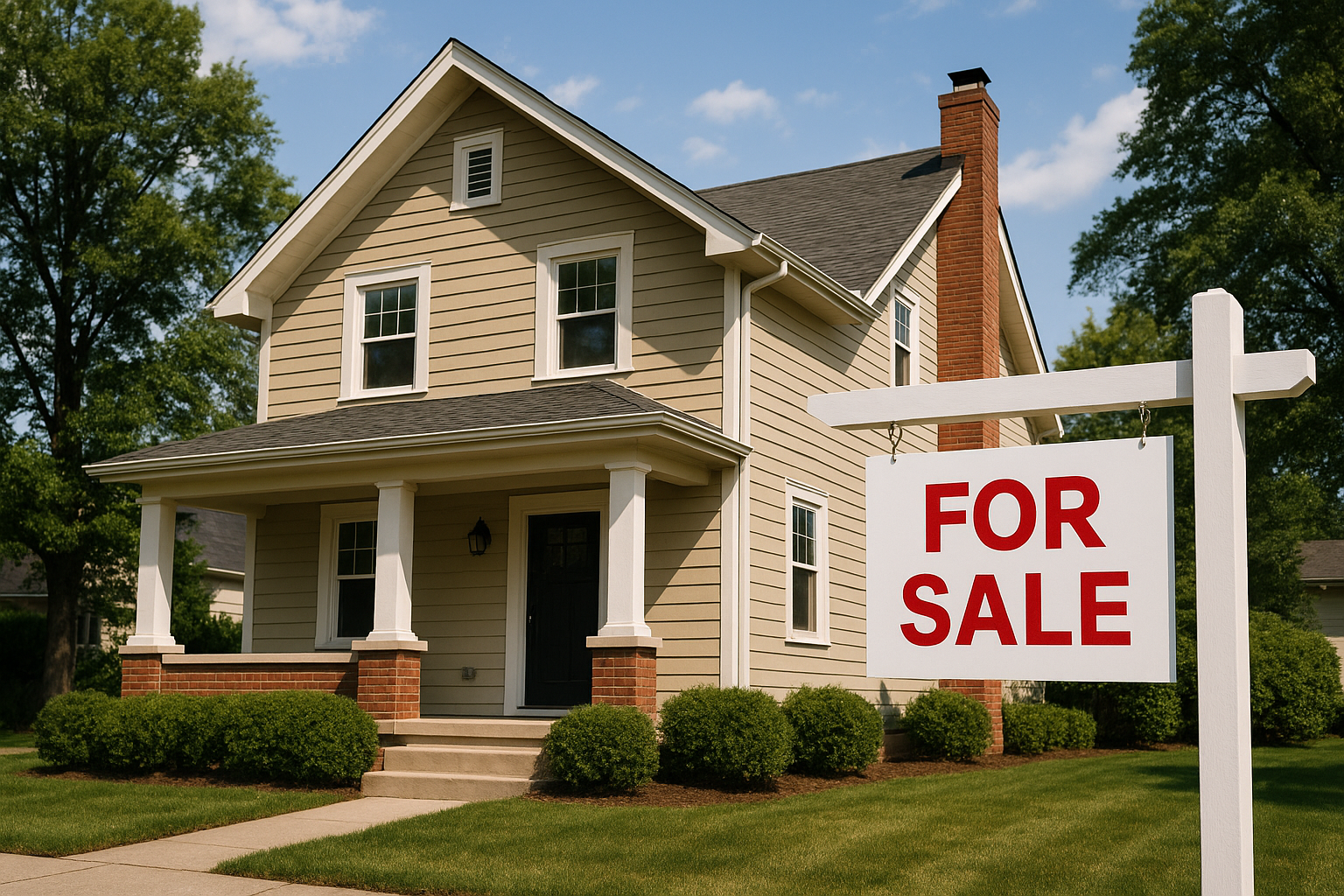
We Buy Houses in Wilmington, NC: What Homeowners Should Know
If you own a home in Wilmington and are thinking about selling, you may have come across companies advertising “we buy houses” or direct cash offers.
This type of sale is different from preparing a property for the traditional market, scheduling showings, negotiating repairs, and waiting for a buyer's mortgage approval.
A direct sale may appeal to someone dealing with an inherited property, an unwanted rental, major repairs, storm or water damage, relocation, or a vacant house that is becoming difficult to maintain.
However, a cash offer should still be reviewed carefully. Before signing anything, you should understand who is buying the house, how the offer was calculated, what the contract allows, and what you are likely to receive when the sale closes.
Here is what Wilmington homeowners should know.
What Does “We Buy Houses” Actually Mean?
“We buy houses” is a broad term used by real estate investors and home-buying companies that purchase properties directly from homeowners.
Some companies purchase homes themselves. Other businesses may enter into a purchase contract and, where permitted by the agreement, assign their contractual rights to another investor.
That distinction matters.
Before accepting an offer, ask who will actually purchase the house and whether the company expects to close on the property itself.
A direct buyer will generally gather information about the home, evaluate its condition, and make an offer. If you accept, the transaction moves toward closing through a purchase agreement and the required legal process.
If you want to explore a Wilmington-specific direct-sale option, visit our Cash Home Buyers in Wilmington, NC page to learn more about selling directly to Crest Home Buyers.
Why Do Wilmington Homeowners Consider Direct Buyers?
Homeowners consider cash buyers for many different reasons.
A house may need expensive repairs that the owner does not want to complete. Someone may have inherited a property they do not plan to keep. A landlord may want to exit a rental without completing a major renovation first.
Other situations can include:
- Relocating on a short timeline
- Selling a vacant property
- Storm or water damage
- Deferred maintenance
- Outdated interiors
- Difficult tenants
- Divorce or separation
- Financial pressure
- A previous listing that did not sell
Not every seller considering a cash buyer is in financial trouble. Some simply value convenience and want to reduce the preparation involved in selling.
The right choice depends on what matters most to you: potential sale price, speed, convenience, repair costs, or certainty.
Can You Sell a House As-Is in Wilmington?
A North Carolina homeowner can offer a property in its current condition.
Selling as-is generally means the seller does not plan to complete additional repairs for the buyer.
This may be useful when the home has an older roof, HVAC problems, plumbing issues, cosmetic damage, outdated rooms, or other work you do not want to manage.
However, selling as-is does not mean legal responsibilities disappear.
North Carolina's Residential Property Disclosure Act applies to many residential property transfers. For covered transactions, the owner generally must provide the required residential property disclosure statement, although statutory exemptions exist. The law allows sellers to disclose actual knowledge about listed property conditions or select “no representation” for many items. North Carolina also has a separate mandatory mineral and oil and gas rights disclosure for covered transactions.
If you are uncertain about the forms or exemptions applying to your sale, use current North Carolina documents and speak with an appropriate professional.
If repairs are one of the main reasons you want to sell, learn more about selling a house as-is and how it can reduce the preparation required before a sale.
What About Flood, Storm, or Water Damage?
Wilmington's location means flood and storm-related property concerns can be particularly relevant to some homeowners.
The City of Wilmington provides floodplain mapping resources, while New Hanover County maintains flood-zone maps and floodplain information. County guidance explains that flooding can result from heavy rain, coastal storms, storm surge, and other water events.
This does not mean every Wilmington property has the same level of flood risk.
If your house has experienced water or storm damage, organize any records you already have, such as insurance documents, photographs, repair invoices, permits, or contractor reports.
Be accurate when discussing known property conditions. When you are uncertain about disclosure responsibilities, get appropriate professional advice rather than guessing.
How Does Selling a House for Cash Work?
The exact process varies by buyer.
Usually, the homeowner first provides basic information about the property, including its location, general condition, occupancy, repairs, and preferred timeline.
The buyer may then research the property and arrange a visit or inspection before making an offer.
If you receive an offer, review more than the price.
Ask:
- Is there an inspection or due-diligence period?
- Can the buyer change the price later?
- Are there any fees?
- Are there contingencies?
- What is the proposed closing date?
- Can the contract be assigned?
- Who is responsible for particular closing costs?
The answers should be reflected in the written agreement.
How Are Cash Offers Calculated?
There is no single formula used by every cash buyer.
A direct buyer may consider the home's location, current condition, comparable sales, likely repair expenses, holding costs, resale risk, and other costs associated with purchasing the property.
This is why two buyers can evaluate the same house and make different offers.
A direct offer may also be lower than the potential price of a fully repaired home sold successfully on the open market.
But you should compare more than sale prices.
A traditional sale may involve repairs, cleaning, staging, concessions, commissions where applicable, utilities, insurance, taxes, and months of carrying costs.
Compare your estimated net proceeds and the work required for each option.
Is the Highest Offer Always the Best?
Not necessarily.
A higher offer may contain terms that create greater uncertainty.
When comparing offers, review:
- Purchase price
- Inspection rights
- Due-diligence terms
- Closing date
- Fees
- Repair requests
- Earnest money
- Seller-paid expenses
- Cancellation rights
- Price-adjustment clauses
- Assignment language
An offer that initially looks higher may become less attractive if the buyer later requests a large reduction.
The strongest offer for your situation is the one whose complete terms you understand and are comfortable accepting.
Who Is Actually Buying Your House?
Ask this before signing.
Some home-buying companies purchase properties directly. Others may intend to assign their contractual rights to another investor.
If assignment language appears in the contract, make sure you understand what it permits.
You can also ask for reasonable evidence that a buyer claiming to make a cash purchase has the financial ability to complete the transaction.
Do not rely solely on verbal promises.
Does a Cash Sale Still Need a Closing?
Yes.
A cash transaction does not eliminate the legal transfer process.
North Carolina law recognizes the requirement that a licensed North Carolina attorney supervise a residential real estate closing and perform services that constitute the practice of law.
The process can include title work, preparation of legal documents, mortgage or lien payoffs, transfer of funds, execution of the deed, and recording.
A cash buyer removes buyer mortgage underwriting from the equation, but the actual real estate closing still needs to take place properly.
If you want to see what happens from the initial property information through closing, review How It Works before choosing your selling route.
Can You Sell if You Still Have a Mortgage?
Yes. Many homeowners sell before their mortgage is fully paid.
The existing mortgage is generally satisfied as part of the sale.
Do not confuse your current mortgage balance with the payoff amount.
The Consumer Financial Protection Bureau explains that a payoff amount represents what is required to completely satisfy the mortgage as of a specified date. It may include interest through that date and other unpaid charges.
Ask your mortgage servicer for an updated payoff statement when estimating what you might receive from the sale.
If the expected proceeds may not be enough to cover your mortgage and other required amounts, discuss the situation with your servicer and an appropriate professional before accepting an offer.
How Quickly Can a Cash Sale Close?
There is no universal closing timeline.
Cash purchases can remove the time required for a buyer to obtain mortgage underwriting, but other issues can still delay the transaction.
These may include:
- Title problems
- Existing liens
- Estate or probate issues
- Ownership disputes
- Missing documents
- Mortgage payoff delays
- Contract contingencies
Be cautious when someone guarantees a very short closing timeline before reviewing the property and title.
The closing date written into the purchase agreement is more meaningful than a general advertising promise.
What Red Flags Should Sellers Watch For?
A direct buyer should be willing to answer reasonable questions.
Be cautious if someone pressures you to sign immediately, refuses to explain contract terms, will not clearly identify the purchasing party, avoids questions about funding, or introduces unexpected fees near closing.
You should also pay attention to large last-minute price reductions.
Sometimes new information discovered during due diligence can legitimately affect an offer, but the buyer should be able to explain why.
Do not sign documents you do not understand.
Traditional Listing or Direct Cash Sale?
A traditional listing may make sense when the house is in good condition, you have time to prepare it, and reaching the broadest possible buyer pool is important.
A direct sale may be worth considering when the property needs substantial work, you want fewer showings, you are dealing with an inherited or vacant house, or convenience is more important than completing extensive preparation.
Neither option is automatically better.
Compare price, repairs, costs, timeline, effort, and uncertainty.
Final Thoughts
Companies that buy houses directly give Wilmington homeowners another selling option.
Before choosing one, understand your property's condition and decide what matters most to you.
If the home needs major repairs or has experienced storm or water damage, gather relevant records early. If you still have a mortgage, request an accurate payoff amount.
When reviewing a cash offer, look beyond the headline number. Consider inspections, fees, contingencies, contract terms, the buyer's ability to close, and your expected net proceeds.
North Carolina disclosure and closing requirements still matter even when the transaction is for cash.
A direct sale can be useful, but it should still be a clear and informed decision.
Get a Cash Offer for Your Wilmington Home
If you own a property in Wilmington and want to compare a direct sale with your other options, Crest Home Buyers can provide a no-obligation cash offer.
You can review the numbers and decide whether a direct sale makes sense for your property and timeline.
Frequently Asked Questions
Can I sell my Wilmington house without repairing it?
Potentially, yes. Some buyers purchase properties in their current condition. Selling as-is does not remove legal or contractual responsibilities that apply to the transaction.
Does North Carolina require a seller disclosure?
For many covered residential transfers, North Carolina requires a residential property disclosure statement, subject to statutory exemptions. A separate mineral and oil and gas rights disclosure also applies to covered transfers.
Can I sell a Wilmington home with flood or water damage?
Potentially. The condition of the property, disclosure requirements, buyer terms, and repair needs should all be considered. Wilmington and New Hanover County provide official floodplain resources for checking property-specific information.
Can I sell for cash if I have a mortgage?
Yes. The mortgage will generally need to be satisfied through the sale. Request the current payoff amount from your servicer rather than relying only on your regular account balance.
Does a cash sale require a closing attorney in North Carolina?
North Carolina law provides that a licensed North Carolina attorney must supervise a residential real estate closing and perform services that constitute the practice of law.
Should I accept the first cash offer?
Not necessarily. Compare price, inspection terms, fees, contingencies, closing date, buyer credibility, and expected net proceeds before making a decision.