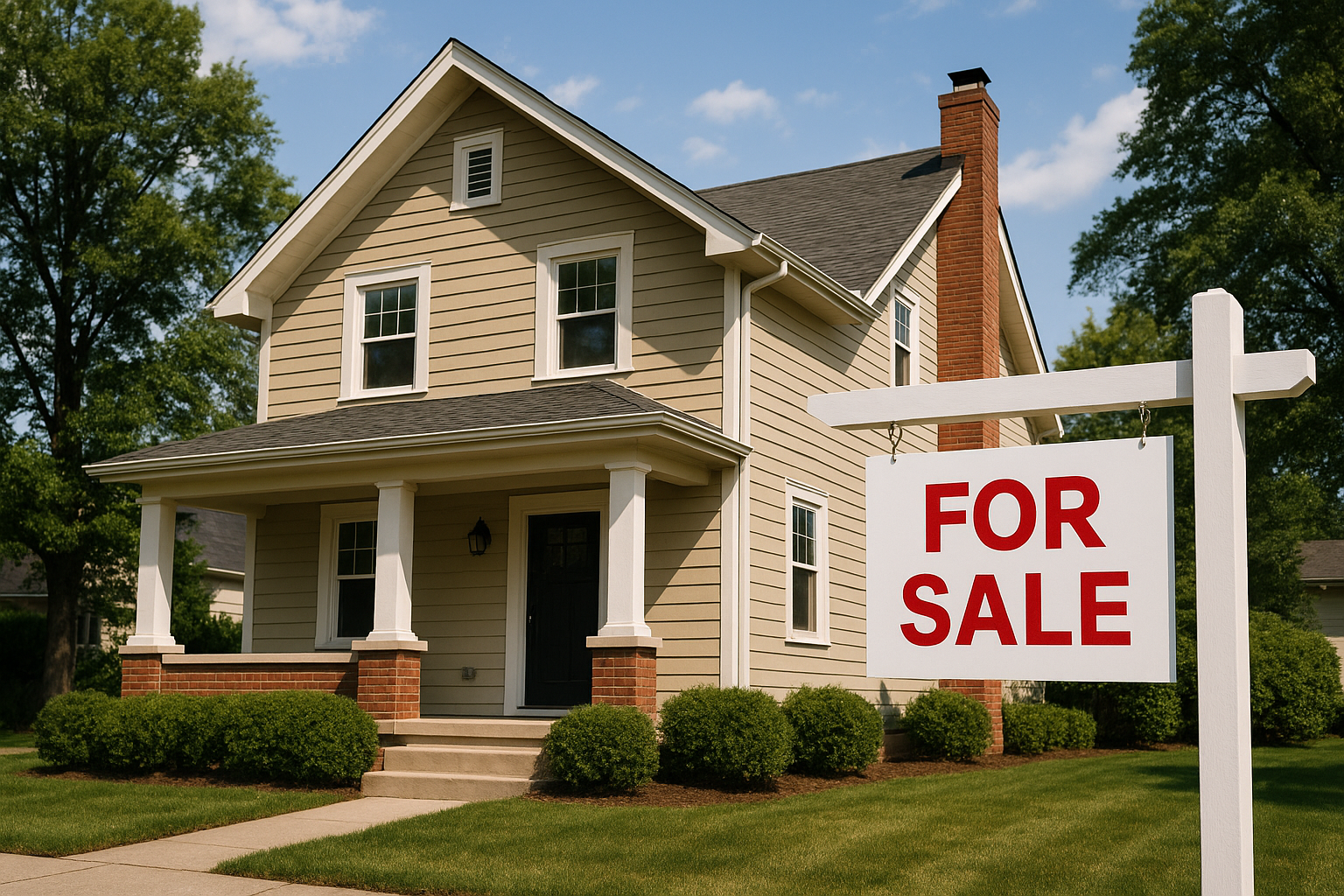
When Is the Best Time to Sell a House?
Choosing when to sell a house can affect how many buyers notice it, how quickly offers arrive, and how much negotiating power you have. But there is no single month that is automatically best for every homeowner.
National housing data often points to spring as the strongest selling season. In 2026, Redfin found late April to be a particularly strong national listing period, while Zillow's analysis of 2025 sales found the last two weeks of May produced the highest national sale-price premium. Those studies measure different outcomes, which is a useful reminder that the "best" time depends on the market and what you are trying to achieve.
Your local market, property condition, moving deadline, mortgage situation, and financial goals can matter just as much as the calendar.
Is Spring the Best Time to Sell a House?
Spring is traditionally one of the busiest periods for existing-home sales.
Buyer activity often rises as the weather improves, families begin planning moves before the next school year, and more homes come onto the market. The National Association of Realtors notes that existing-home sales typically increase during spring and summer and slow during winter.
Recent 2026 research supports that pattern. Redfin identified late April as a strong national listing period, while Zillow found the final two weeks of May produced the strongest national sale-price premium. Spring often creates favorable conditions, but the strongest window varies by location.
Why the Best Time Varies by Location
Real estate is highly local.
Weather, school calendars, employment patterns, inventory, migration, and local buyer demand can change when a market becomes most active.
Zillow's 2026 analysis illustrates this clearly. Its strongest national pricing period was late May, but the preferred window varied by metro. Baltimore, for example, showed a later peak in the second half of June.
Redfin also found regional differences, with some West Coast markets peaking earlier and some East Coast markets later.
For sellers in Maryland, Virginia, Washington, DC, Pennsylvania, or North Carolina, national averages are useful context, but local market conditions should carry more weight.
Is Summer a Good Time to Sell?
Yes. Summer can still be a strong selling season.
Many buyers remain active, and families may want to move before school begins. The downside is competition because more sellers may already be on the market.
Instead of assuming summer is too late, compare buyer demand with the number of similar homes available. A well-priced property can still perform strongly after the national spring peak.
What About Selling in Fall?
Fall does not mean you missed your chance.
There may be fewer buyers than in spring, but people still move because of jobs, family changes, and other deadlines.
Pricing becomes especially important as activity slows. Use recent comparable sales rather than assuming a spring asking price still fits the market.
If you need to sell in fall, waiting only because spring is traditionally stronger may not be worthwhile.
Can You Sell a House in Winter?
Yes. Homes sell throughout the year.
NAR's historical data shows winter is usually slower for existing-home activity, but the market does not stop. There may also be fewer competing listings.
Waiting can carry costs. Mortgage payments, insurance, taxes, utilities, HOA dues, maintenance, and repairs continue while you own the property.
A homeowner relocating or carrying a vacant property may decide that selling sooner is more practical than waiting for spring.
If waiting for another selling season does not fit your situation, learn how selling a house as-is can reduce the preparation required before putting the property on the market.
How Do Mortgage Rates Affect Timing?
Mortgage rates can affect what buyers can afford.
When borrowing becomes more expensive, some buyers may reduce their budgets or postpone purchasing. Lower rates can improve affordability for some households and may support buyer demand. Zillow's current selling guidance similarly identifies mortgage-rate changes and inventory as important factors that can influence seller conditions.
Sellers should not try to predict the exact future path of rates. Instead, look at what buyers are doing locally. Are well-priced homes receiving offers? Are similar properties sitting longer? Is inventory rising or falling? Current market behavior can be more useful than guessing the next rate move.
Inventory Can Matter More Than the Month
The number of competing homes can strongly influence your selling experience.
If there are few similar properties available while demand is healthy, your home may face less competition. When inventory is high, buyers have more choices.
Review active listings, recent sales, price reductions, days on market, and how quickly comparable homes are going under contract.
Timing is not only about finding the busiest month. It is also about understanding the balance between available homes and active buyers.
Should You Wait for Better Market Conditions?
Waiting can make sense if you have flexibility, but a better future market is never guaranteed.
While you wait, calculate the carrying cost of the property, including mortgage costs, taxes, insurance, utilities, HOA fees, maintenance, and repairs.
A potential improvement in sale price should be compared with the cost and risk of waiting.
If speed and certainty matter more than waiting for a traditional listing window, see how Cash Home Buyers work and what to consider when comparing a direct offer with other selling options.
Your Personal Timeline Matters
The statistically strongest month is not always the best month for you.
Homeowners sell because of relocation, inheritance, downsizing, financial changes, and many other reasons. Those situations do not always allow waiting for spring.
Ask yourself:
- When do I actually need to move?
- How much does keeping the property cost each month?
- Does the home need repairs?
- Can I manage showings and preparation?
- Am I prioritizing maximum price, speed, or convenience?
Your answers may point toward a different timeline than national housing data.
How Early Should You Prepare?
Do not wait until your preferred listing week to begin planning.
Recent Redfin seller guidance recommends beginning the process roughly six to eight weeks before listing when possible. That gives you time to estimate the home's value, gather documents, decide which repairs are worthwhile, and choose a selling method.
If the property has liens, tenants, inherited ownership, or title questions, identifying them early can prevent avoidable delays.
If you want to understand what happens from the first property review through closing, visit How It Works before deciding on your selling route.
Should You Repair Before the Best Selling Season?
Not every home needs a major renovation.
Cleaning, basic maintenance, and selected repairs may improve presentation. Before starting expensive work, compare the likely benefit with the cost and delay.
If repairs would make you miss your preferred selling window, ask whether those improvements are likely to justify waiting. Homeowners with properties needing substantial work can also compare a prepared traditional listing with an as-is sale.
So, When Should You Sell?
For many U.S. homeowners, spring remains a strong starting point. Current 2026 research from Redfin and Zillow both identifies late spring as favorable nationally, even though the exact strongest weeks differ.
But seasonality should be only one part of the decision.
A practical time to sell is when local demand is reasonable, the property is ready, and the timing works for your life. If those factors line up in October instead of April, waiting for spring does not guarantee a better result.
In practice, the strongest selling window is the one where market conditions, property readiness, and your personal schedule line up without creating unnecessary delay or expense.
Final Thoughts
There is no single best date for every home sale.
Spring often offers strong conditions because buyer activity typically rises, but local peaks vary. Recent national research points toward late April through late May as a favorable range, while individual markets can peak earlier or later.
Before choosing your timing, look at local inventory, comparable sales, property condition, carrying costs, and your personal deadline. If you need to sell sooner, realistic pricing and the right strategy may matter more than waiting for a supposedly perfect month.
Ready to Compare Your Selling Options?
If you are unsure whether to wait, list now, repair the property, or consider a direct sale, Crest Home Buyers can provide another option to compare.
Frequently Asked Questions
What month is usually best to sell a house?
There is no universal best month. Recent 2026 national studies point toward late spring, but the strongest period varies by location and by the outcome being measured.
Is spring always the best time to sell?
No. Spring is traditionally active, but inventory, buyer demand, property condition, carrying costs, and personal circumstances can make another season more suitable.
Is winter a bad time to sell a house?
Not necessarily. Activity is often lower in winter, but homes still sell and there may be fewer competing listings.
Should I wait for mortgage rates to fall?
Not automatically. Future rates are uncertain. Consider current local demand, inventory, carrying costs, and your own timeline rather than relying on a rate prediction.
How far ahead should I prepare to sell?
Starting several weeks before your target listing date can give you time to estimate value, gather documents, choose repairs, and address issues that could slow the transaction.