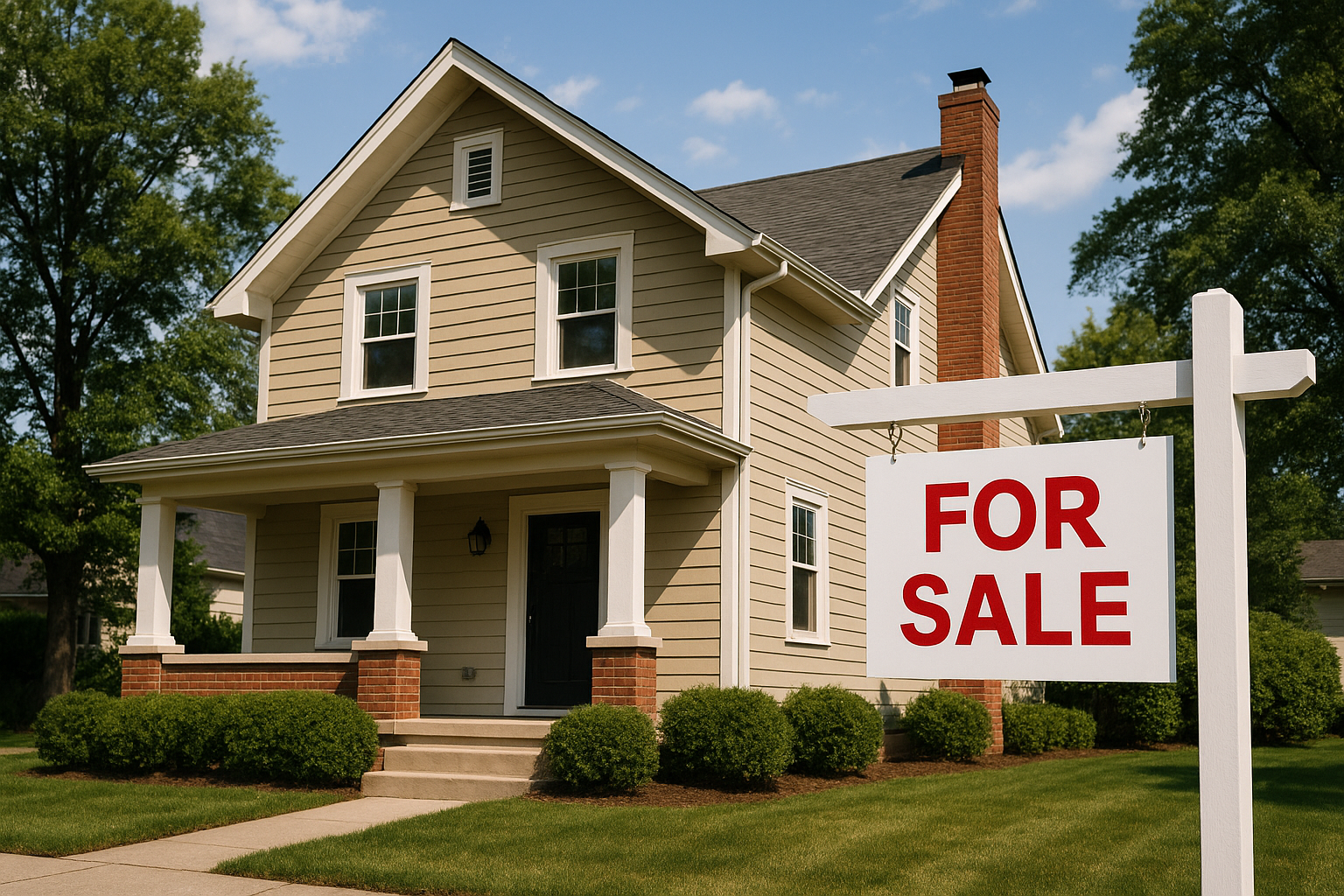
Selling a House With Tenants: What Are Your Options?
Selling a house is already a big decision.
Selling a house with tenants can feel even more complicated.
You may own a rental property and want to sell because you are tired of managing it. Maybe the home needs repairs. Maybe the tenants are behind on rent. Maybe the lease still has several months left. Maybe you inherited a property that already has renters inside.
Whatever the reason, one question usually comes first:
Can I sell a house with tenants still living in it?
In many cases, yes, you can sell a tenant-occupied house. But the process is different from selling a vacant home. You need to think about the lease, tenant rights, showings, repairs, timing, buyer type, and local rules.
A house with tenants can still be valuable, but it may not be the right fit for every buyer.
This guide explains your main options and what homeowners should know before selling a house with tenants.
First, Check the Lease
Before making any decision, start with the lease.
The lease tells you important details like:
-
When the lease starts and ends
-
Monthly rent amount
-
Security deposit
-
Notice requirements
-
Renewal terms
-
Rules for property access
-
Tenant responsibilities
-
Landlord responsibilities
-
Any special agreements
This matters because the lease may affect what you can do and how soon the property can be delivered vacant.
If the tenant has a fixed-term lease, the buyer may need to honor that lease after purchase. In Maryland, for example, the Maryland People’s Law Library explains that if a property is sold and the buyer knows it is leased to a tenant, the buyer must honor the lease terms.
That is why you should not assume the sale automatically ends the tenant’s lease.
If you are unsure, speak with a real estate attorney or local professional before moving forward.
Option 1: Sell the Property With Tenants in Place
One option is to sell the house while the tenants continue living there.
This can work well if the buyer is an investor.
Some investors like tenant-occupied properties because they can start receiving rental income after closing. If the tenants pay on time, take care of the property, and have a clear lease, that can be a selling point.
This option may make sense if:
-
The tenants are cooperative
-
Rent payments are current
-
The lease is clear
-
The property is in reasonable condition
-
The buyer is an investor
-
You do not want to wait for the lease to end
The challenge is that this option may not attract normal homebuyers who want to move in right away.
A family looking for a primary residence may not want to buy a property with tenants inside, especially if the lease still has months left.
Selling with tenants in place usually works best when the buyer is comfortable owning a rental property.
Option 2: Wait Until the Lease Ends
Another option is to wait until the lease ends before selling.
This may give you more flexibility.
A vacant house is usually easier to show, clean, repair, photograph, and sell to a wider group of buyers. You may be able to market it to both investors and regular homebuyers.
This option may make sense if:
-
The lease ends soon
-
You are not in a rush
-
You want to clean or repair the house
-
You want to list the property traditionally
-
You want more buyer options
-
You want the home vacant at closing
The downside is time.
You may need to keep paying property expenses while waiting. That can include mortgage payments, taxes, insurance, utilities, maintenance, and repairs.
If you want a fast sale, waiting may not be ideal.
Option 3: Offer the Tenant a Move-Out Agreement
Some homeowners choose to speak with the tenant and offer a move-out agreement.
This is sometimes called a cash-for-keys arrangement.
The idea is simple. The tenant agrees to move out by a certain date, and the owner provides an agreed payment or other benefit.
This can help if you want to sell the house vacant but do not want a long conflict.
This option may make sense if:
-
The tenant is willing to move
-
You want the property vacant
-
You want to avoid a difficult process
-
You need a clear move-out date
-
Both sides can agree in writing
The agreement should be clear, respectful, and properly documented.
Do not pressure the tenant. Do not make verbal promises that are not written down. If you are unsure how to handle it, speak with an attorney or local housing professional.
Option 4: Sell Directly to a Cash Buyer
Selling directly to a cash buyer can be useful when the tenant situation is difficult.
A cash buyer may be more flexible than a traditional buyer. Some cash buyers are comfortable buying rental properties with tenants in place. They may also be willing to buy houses as-is, even if the property needs repairs or has issues that make listing harder.
This option may make sense if:
-
The property has tenants
-
The home needs repairs
-
You want to sell as-is
-
You do not want repeated showings
-
You want to avoid buyer financing delays
-
You are tired of managing the rental
-
You live out of state
-
The tenant situation is stressful
-
You want a simpler sale
A cash offer may be lower than a fully prepared traditional sale price, but it may help you avoid months of waiting, repairs, showings, commissions, and uncertainty.
For many landlords, the simpler process is the main benefit.
Can You Show a House With Tenants?
Usually, a landlord cannot simply enter whenever they want.
You need to follow the lease and local rules about notice and access.
This is important because showings can become stressful for tenants. They still live in the home. Their furniture, belongings, schedule, and privacy are involved.
If you plan to list the property, communicate early and clearly.
Helpful steps include:
-
Tell the tenant you plan to sell
-
Explain what may happen next
-
Give proper notice before showings
-
Keep showing times reasonable
-
Respect the tenant’s schedule
-
Keep communication professional
-
Put important details in writing
In Virginia, for example, state law says that when premises are sold, the landlord must notify the tenant of the sale and disclose the buyer’s name, address, and phone number.
Rules can vary by location, so always check what applies in your area.
What If the Tenant Is Behind on Rent?
Selling a house with a tenant who is behind on rent can be harder.
Some buyers may see it as a risk.
They may worry about unpaid rent, property condition, legal steps, or how difficult it may be to manage the tenant after closing.
You still may have options, but you should be honest about the situation.
Before selling, gather:
-
Lease copy
-
Rent ledger
-
Payment history
-
Security deposit information
-
Notices sent to the tenant
-
Any written communication
-
Property condition notes
A traditional buyer may not want to deal with the issue.
An investor or cash buyer may be more open to it, depending on the details.
What If the Property Needs Repairs?
Tenant-occupied homes can be harder to repair before selling.
You may not have easy access. The tenant may not want contractors inside. Repairs may interrupt daily life. Some issues may not be fully visible until the tenant moves out.
This can make a traditional listing more difficult.
If the house needs repairs and has tenants, an as-is sale may be worth considering.
This may help you avoid:
-
Contractor scheduling
-
Tenant access problems
-
Repair costs
-
Delays
-
Inspection negotiations
-
Repeated showings
A buyer who understands rental properties may be more comfortable handling repairs after closing.
Selling a Tenant-Occupied Property in Washington DC
If your property is in Washington DC, be extra careful.
DC has specific tenant rules, and tenant-occupied sales may involve additional requirements. The DC Office of the Tenant Advocate provides resources and education around the Tenant Opportunity to Purchase Act, commonly known as TOPA.
DC’s Department of Housing and Community Development also explains that TOPA is connected to the sale and transfer of rental housing.
This does not mean every situation is the same.
But it does mean DC landlords should not guess.
Before selling a tenant-occupied property in DC, speak with a qualified local professional so you understand the correct process.
What Buyers Want to Know
If you are selling a house with tenants, buyers will usually ask more questions.
They may want to know:
-
Is there a written lease?
-
When does the lease end?
-
How much is the monthly rent?
-
Is the tenant current on payments?
-
Is there a security deposit?
-
Are there any disputes?
-
What condition is the property in?
-
Can the property be shown?
-
Will the tenant stay after closing?
-
Will the property be delivered vacant?
Having these answers ready can make the sale smoother.
Disorganized information can make buyers nervous.
Clear records build confidence.
Traditional Listing vs Investor Sale
A traditional listing may work if the tenants are cooperative, the home is in good condition, and you are not in a hurry.
But it can also be harder because:
-
Showings require coordination
-
Photos may be difficult
-
Buyers may not like tenant occupancy
-
Repairs may be delayed
-
Financing buyers may be cautious
-
The tenant may not keep the home showing-ready
An investor sale may be easier if the property is rented, needs work, or has a complicated situation.
Investors usually focus on the numbers, condition, lease, and future potential.
They may be less concerned about cosmetic issues or tenant occupancy.
The right path depends on your timeline, property condition, tenant situation, and financial goals.
How Crest Home Buyers Can Help
Crest Home Buyers works with homeowners who want a simpler way to sell difficult or tenant-occupied properties.
If your house has tenants, needs repairs, is inherited, has unpaid rent issues, or is hard to list traditionally, Crest Home Buyers can review the property and explain a cash offer option.
This may help you avoid:
-
Repeated showings
-
Repair work
-
Contractor delays
-
Long listing timelines
-
Buyer financing issues
-
Tenant-related listing challenges
-
Cleaning and staging
-
Open houses
Every situation is different, but a direct sale can be a practical option when you want less stress and a clearer path forward.
Request a Cash Offer
Final Thoughts
Selling a house with tenants is possible, but it needs careful planning.
Start by reviewing the lease. Understand the tenant situation. Check local rules. Decide whether you want to sell with tenants in place, wait until the lease ends, arrange a move-out agreement, or sell directly to a cash buyer.
A tenant-occupied home may be harder to sell to a regular buyer, but it can still be attractive to investors.
If your goal is a simple sale without repairs, showings, or months of waiting, a cash buyer may be worth considering.
Crest Home Buyers can help you understand your options and see whether a direct cash offer makes sense for your property.
Frequently Asked Questions
Can I sell a house with tenants living in it?
Yes, in many cases you can sell a house with tenants living in it. The lease, tenant rights, local rules, and buyer type can affect the process.
Does the lease end when the house is sold?
Not usually. In many situations, the buyer may need to honor the existing lease. The exact rules depend on your location and the lease terms.
Can I sell a rental property as-is?
Yes. Many rental properties are sold as-is, especially when they need repairs or when the owner does not want to manage updates before selling.
Is it better to sell with tenants or wait until the house is vacant?
It depends. Selling with tenants may work well for investors. Selling vacant may attract more traditional buyers. The best option depends on your timeline, lease, property condition, and goals.
Can I show the house while tenants live there?
Usually, showings must follow the lease and local notice rules. It is best to communicate clearly with tenants and provide proper notice before access.
What if the tenant is behind on rent?
You may still be able to sell, but it can make the process more complicated. A cash buyer or investor may be more open to tenant-related issues than a traditional buyer.
Does Crest Home Buyers buy houses with tenants?
Yes. Crest Home Buyers can review tenant-occupied properties and explain whether a cash offer option may work for your situation.