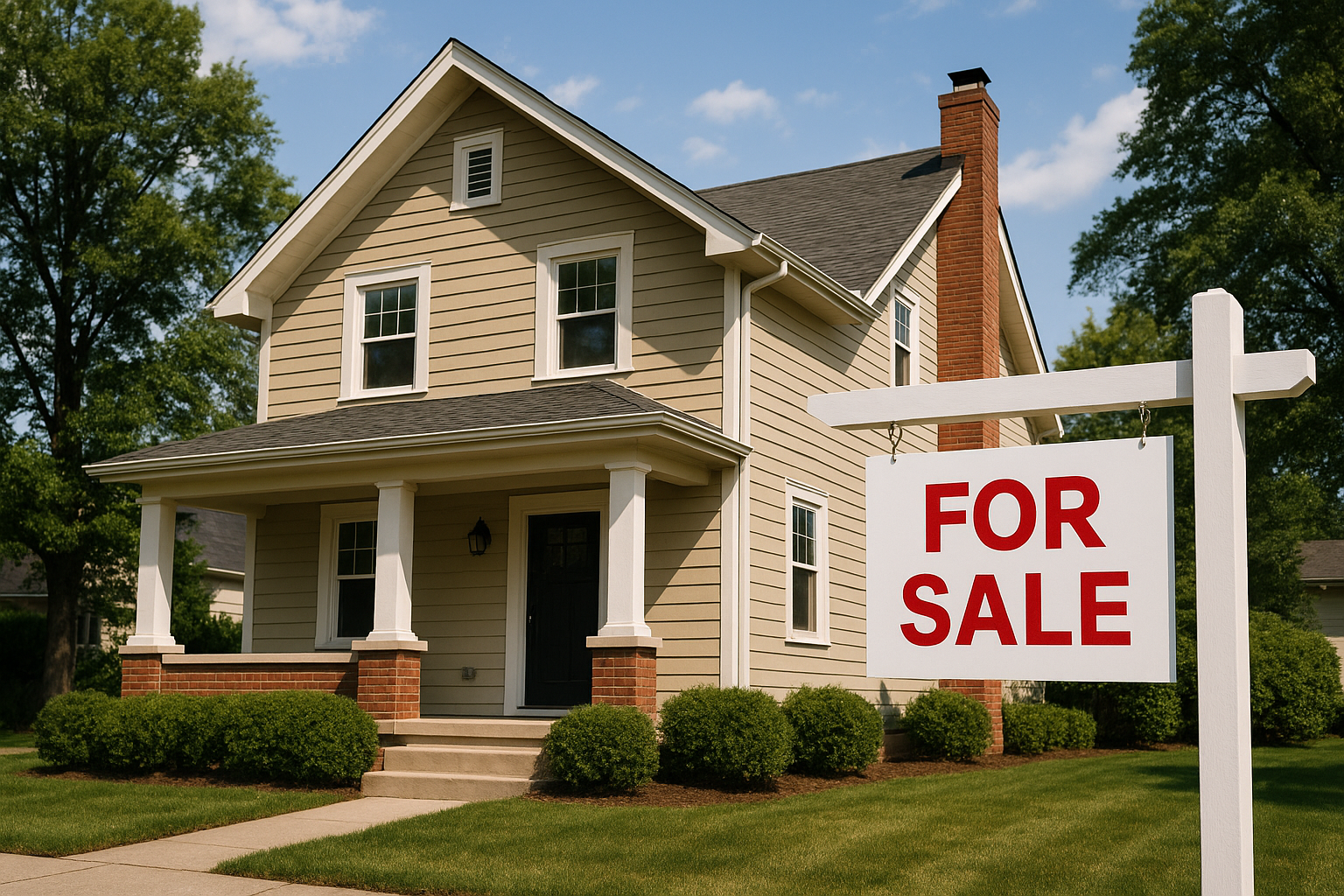
Sell House As-Is in Maryland: What to Know Before Selling
Selling a house is already a big decision.
But selling a house that needs repairs can feel even more stressful.
Maybe the roof is old. Maybe the kitchen has not been updated in years. Maybe there are plumbing issues, electrical problems, water damage, foundation concerns, or a long list of small repairs that keep adding up.
In situations like this, many homeowners start asking the same question:
Can I sell my house as-is in Maryland?
The answer is yes, selling as-is is possible. But before you move forward, it is important to understand what “as-is” actually means, what it does not mean, and what your options are.
Selling as-is can be a good solution when you do not want to make repairs, clean out the property, wait months for a traditional buyer, or spend money preparing the house for sale.
But it should still be done carefully.
This guide explains what Maryland homeowners should know before selling a house as-is.
What Does Selling a House As-Is Mean?
Selling a house as-is means the property is being sold in its current condition.
The seller is not agreeing to repair the house before closing.
That means the buyer is purchasing the property with its existing issues, which may include cosmetic problems, repair needs, outdated systems, or visible damage.
For example, an as-is home may have:
-
Old flooring
-
Peeling paint
-
Roof damage
-
Plumbing problems
-
Electrical issues
-
HVAC problems
-
Foundation concerns
-
Water damage
-
Mold concerns
-
Broken windows
-
Outdated kitchen or bathrooms
-
Unfinished repairs
-
Personal belongings left inside
Selling as-is does not always mean the house is in terrible condition.
Sometimes homeowners sell as-is because they want a simpler process. They may not have the time, energy, or budget to prepare the home for a traditional sale.
Does As-Is Mean No Disclosure?
No.
This is very important.
Selling as-is does not always mean you can ignore known problems or skip required forms.
Maryland’s Residential Property Disclosure and Disclaimer Statement gives sellers the option to provide either a disclosure statement or a disclaimer statement. The disclaimer says the seller is selling the property as-is and making no representations or warranties about the condition, except as provided in the contract or in a listing of latent defects.
Maryland law also says sellers must disclose latent defects they actually know about, even when selling the property as-is. A latent defect is generally a material defect that a buyer would not reasonably find through a careful visual inspection and that would pose a direct threat to health or safety.
In simple words, as-is does not mean “hide problems.”
It means the seller is not promising to fix the property before closing.
Because every property situation is different, it is smart to speak with a real estate professional, title company, or attorney if you are unsure what applies.
Why Maryland Homeowners Sell As-Is
Homeowners choose to sell as-is for many reasons.
Sometimes the house needs major repairs. Sometimes the owner inherited the property. Sometimes the seller lives out of state. Sometimes the home is vacant, outdated, or difficult to maintain.
Common reasons include:
-
The home needs repairs
-
The seller cannot afford updates
-
The owner wants to sell quickly
-
The property is inherited
-
The house is vacant
-
The seller is dealing with divorce
-
The home has tenant issues
-
The property has code violations
-
The seller wants to avoid showings
-
The house has too many belongings inside
-
The owner does not want to manage contractors
Selling as-is can reduce the pressure of preparing the home for the market.
Instead of spending weeks or months fixing the property, the seller can focus on finding a buyer who is comfortable purchasing the home in its current condition.
Should You Repair the House Before Selling?
This depends on your situation.
Repairs may help if you want to sell through a traditional listing and attract retail buyers. A clean, updated home may show better and may receive stronger offers.
But repairs are not always worth it.
Before spending money, ask yourself:
-
How much will repairs cost?
-
How long will the work take?
-
Do I trust the contractors?
-
Will the repairs increase the sale price enough?
-
Do I have the cash to pay upfront?
-
Can I manage the project?
-
Do I need to sell quickly?
-
What happens if more problems are found?
Some repairs look simple at first but become expensive later.
For example, a small plumbing issue may reveal water damage. A roof repair may turn into a full replacement. A cosmetic update may uncover electrical problems.
If you do not want to deal with that risk, selling as-is may make more sense.
What Types of Homes Are Often Sold As-Is?
Many different types of properties can be sold as-is.
This may include:
-
Inherited homes
-
Vacant houses
-
Rental properties
-
Houses with tenants
-
Homes needing major repairs
-
Fire-damaged properties
-
Homes with water damage
-
Houses with outdated interiors
-
Properties with code issues
-
Homes facing foreclosure
-
Houses that need cleanout
-
Properties owned by out-of-state sellers
The main point is simple.
If the house is difficult, expensive, or time-consuming to prepare for a regular listing, an as-is sale may be worth considering.
Traditional Listing vs As-Is Cash Sale
When selling a house as-is in Maryland, you usually have two main options.
You can list the property on the market, or you can sell directly to a cash buyer.
A traditional listing may work if the house is still in decent condition and you are willing to go through showings, inspections, negotiations, and buyer financing.
But even if you list the house as-is, some buyers may still ask for repairs, credits, or price reductions after inspection.
A direct cash sale is usually different.
A cash buyer may purchase the property in its current condition without asking you to repair, clean, stage, or prepare the home for traditional buyers.
This can be useful if your goal is speed and simplicity.
A cash offer may be lower than the price you could get after repairing and listing the home, but it may help you avoid repair costs, agent commissions, holding costs, cleaning, and months of uncertainty.
The right choice depends on what matters more to you.
If you want the highest possible price and have time, a traditional listing may make sense.
If you want a simpler sale without repairs, a cash buyer may be a better fit.
What to Check Before Selling As-Is
Before you sell your Maryland house as-is, take a little time to understand the property and your situation.
You do not need to fix everything, but you should know what you are dealing with.
Check these things:
-
Is there a mortgage balance?
-
Are property taxes current?
-
Are there any liens?
-
Is the title clear?
-
Are there tenants living in the home?
-
Are utilities active?
-
Are there known safety issues?
-
Are there code violations?
-
Does the house need cleanout?
-
Do all owners agree to sell?
These details can affect the sale process.
For example, if there are liens, they may need to be handled before or at closing. If there are tenants, you may need to understand lease terms. If multiple owners are involved, everyone may need to agree and sign.
A title company can help identify title issues before closing.
What About Inspections?
In a traditional sale, buyers often order a home inspection.
Even if the house is listed as-is, the inspection may still affect negotiations. The buyer may ask for repairs, request credits, or try to lower the price.
In a cash sale, the process may be simpler. Some cash buyers may inspect the property for their own understanding, but they may still be willing to buy it as-is.
Before accepting an offer, ask clearly:
-
Will there be an inspection?
-
Can the buyer cancel after inspection?
-
Will the buyer ask for repairs?
-
Is the offer truly as-is?
-
Are there any hidden fees?
-
Who pays closing costs?
-
What timeline can the buyer meet?
A serious buyer should explain the process clearly.
You should not feel rushed or pressured.
Benefits of Selling As-Is
Selling as-is can be helpful for homeowners who want a practical solution.
Benefits may include:
-
No repair work
-
No contractor management
-
No staging
-
No deep cleaning
-
No open houses
-
No repeated showings
-
Faster timeline
-
Less upfront spending
-
Easier sale for damaged properties
-
Simpler option for inherited or vacant homes
This is why many homeowners choose an as-is sale when the house has become too much to handle.
Sometimes the best option is not the perfect option.
It is the option that gives you the cleanest path forward.
Possible Downsides of Selling As-Is
An as-is sale is not perfect for everyone.
The biggest tradeoff is price.
A buyer taking on repairs, risk, and cleanup will usually factor those costs into the offer.
That means an as-is offer may be lower than what the home could sell for after repairs.
You should also be careful with buyers who make high offers at first and then lower the price later.
Before moving forward, make sure the offer is clear, written, and realistic.
Ask questions.
Understand the closing process.
Make sure the buyer can actually close.
How Crest Home Buyers Can Help
Crest Home Buyers works with Maryland homeowners who want to sell without repairs, cleaning, or a long traditional listing process.
If your house needs work, is vacant, inherited, outdated, damaged, or difficult to manage, Crest Home Buyers can review the property and explain a cash offer option.
This may help you avoid:
-
Repair costs
-
Contractor delays
-
Agent commissions
-
Open houses
-
Buyer financing delays
-
Repeated negotiations
-
Holding costs
-
Cleaning and staging
The goal is to make the process simple and clear.
You can compare your options and decide what makes sense for your situation.
Request a Cash Offer
Final Thoughts
Selling a house as-is in Maryland can be a smart option when repairs feel too expensive, the property is hard to manage, or you want a faster and simpler sale.
As-is means the home is sold in its current condition.
It does not mean every rule disappears. Sellers should still understand disclosure and disclaimer requirements, known defects, title issues, and contract details before moving forward.
If the home is in good condition and you have time, a traditional listing may work.
If the house needs repairs, is vacant, inherited, or difficult to prepare, a direct cash sale may be easier.
The best choice depends on your timeline, property condition, financial goals, and how much work you want to handle before closing.
If you want to sell a Maryland house as-is without repairs or repeated showings, Crest Home Buyers can help you understand your options.
Frequently Asked Questions
Can I sell my house as-is in Maryland?
Yes. Homeowners can sell a house as-is in Maryland. This means the seller is not agreeing to make repairs before closing.
Does selling as-is mean I do not have to disclose anything?
No. Selling as-is does not automatically remove disclosure responsibilities. Maryland sellers should understand the disclosure or disclaimer statement and disclose known latent defects when required.
Will I get less money if I sell as-is?
Usually, an as-is offer may be lower than a fully repaired retail sale price because the buyer is taking on repairs and risk. But it may also help you avoid repair costs, delays, and preparation work.
Should I fix my house before selling?
It depends on your budget, timeline, and goals. Repairs may help with a traditional listing, but they can also take time and cost money upfront.
Can I sell an inherited house as-is in Maryland?
Yes, many inherited houses are sold as-is. You should first confirm who has the authority to sell and whether any estate or title steps are needed.
Can I sell a house as-is if it has tenants?
It may be possible, but tenant rights, lease terms, and notice requirements can affect the process. Speak with a real estate professional or attorney if tenants are involved.
Does Crest Home Buyers buy houses as-is in Maryland?
Yes. Crest Home Buyers works with Maryland homeowners who want to sell houses as-is without repairs, cleaning, or a long traditional listing process.