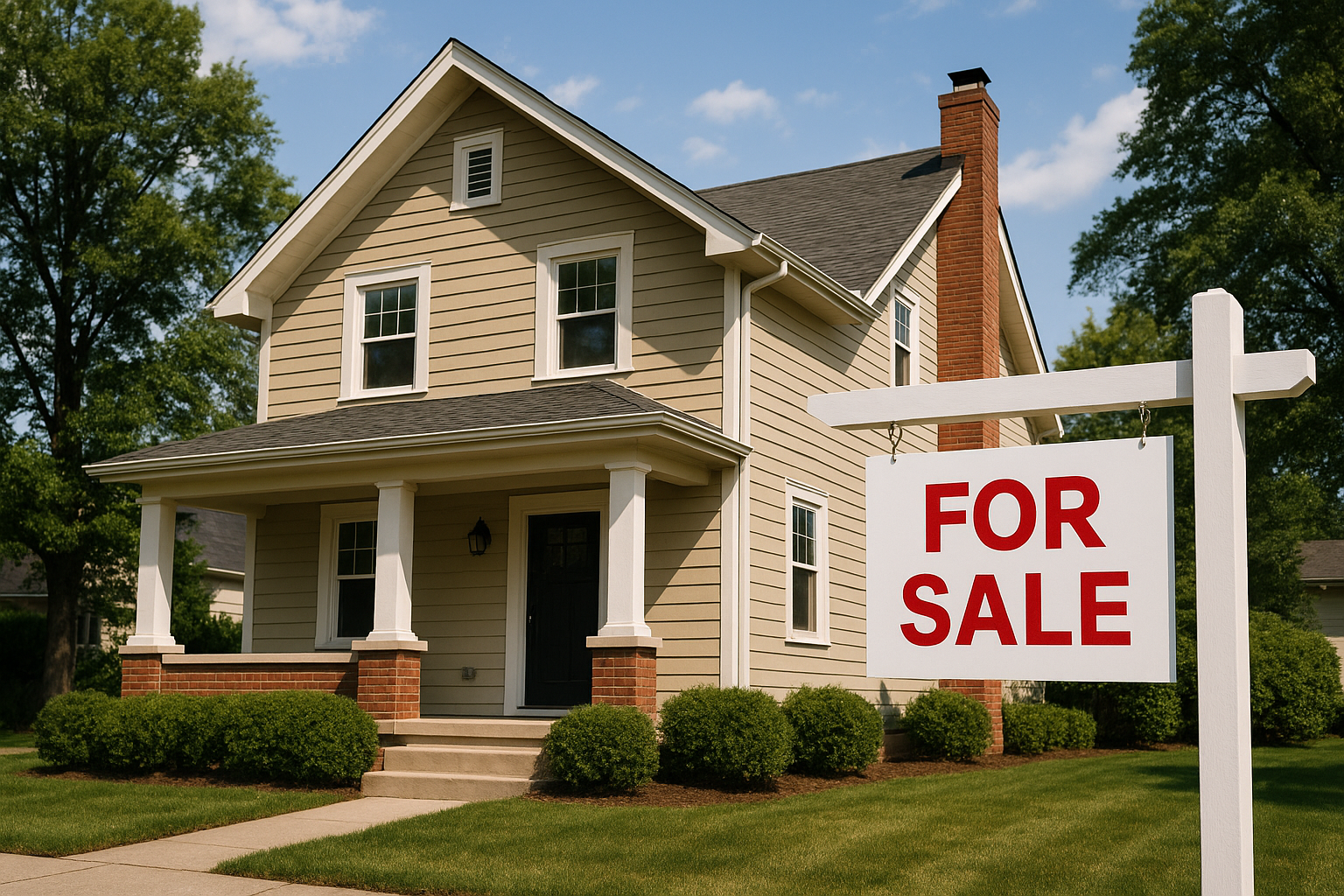
How to Sell a House That Needs Repairs
Selling a house is not always simple.
It can feel even harder when the house needs repairs.
Maybe the roof is old. Maybe the kitchen is outdated. Maybe there is water damage, plumbing trouble, electrical work, broken flooring, or a long list of small fixes that never seem to end.
Some homeowners feel stuck because they think they must repair everything before selling.
That is not always true.
You can sell a house that needs repairs, but the best way to do it depends on the condition of the property, your budget, your timeline, and how much work you want to handle before closing.
Some sellers repair first and list the home traditionally. Some sell as-is. Some work with an investor or cash buyer. Some compare both options before deciding.
This guide explains your main choices and what to think about before selling a house that needs repairs.
First, Understand the Condition of the House
Before choosing how to sell, take a clear look at the repairs.
You do not need to become a contractor, but you should understand what kind of problems the house has.
Common repair issues include:
-
Roof damage
-
Plumbing leaks
-
Electrical problems
-
HVAC issues
-
Water damage
-
Foundation concerns
-
Mold concerns
-
Broken windows
-
Damaged flooring
-
Old kitchen or bathrooms
-
Peeling paint
-
Structural issues
-
Code violations
-
Fire or smoke damage
-
General cleanout needs
Not all repairs are equal.
A few cosmetic updates are very different from major foundation or roof problems.
A house that only needs paint and flooring may still be easy to list. A house with serious repair needs may be harder to sell to a traditional buyer.
Understanding the condition helps you choose the right path.
Option 1: Repair the House Before Selling
One option is to repair the house before putting it on the market.
This may help if you want to attract regular homebuyers who prefer a move-in ready property.
Repairs may improve:
-
Buyer interest
-
Listing photos
-
Showing experience
-
Appraisal confidence
-
Final sale price
-
Buyer financing options
This option may make sense if the repairs are manageable, you have the budget, and you are not in a rush.
But repairs are not always easy.
You may need to hire contractors, compare estimates, buy materials, manage delays, and pay upfront before you receive money from the sale.
Sometimes one repair reveals another problem.
A small leak may lead to hidden water damage. A flooring update may reveal subfloor issues. An electrical repair may uncover a larger wiring problem.
Before repairing, ask yourself:
-
How much will the repairs cost?
-
How long will the work take?
-
Can I manage contractors?
-
Do I have money to pay upfront?
-
Will repairs increase the sale price enough?
-
What if more problems appear?
-
Do I need to sell quickly?
Repairs can help in some cases, but they are not always worth the time, cost, and stress.
Option 2: Sell the House As-Is
Selling as-is means selling the house in its current condition.
You are not agreeing to make repairs before closing.
This can be a good option if the house needs work and you do not want to spend money fixing it first.
An as-is sale may make sense if:
-
Repairs are too expensive
-
You need to sell quickly
-
You inherited the property
-
You live out of state
-
The house is vacant
-
The property has code issues
-
You do not want showings
-
You do not want contractor delays
-
You want a simpler process
It is important to understand that selling as-is does not always mean you can ignore disclosure rules. In Maryland, sellers may use a disclosure or disclaimer statement, and the form refers to latent defects and known property condition information. In Virginia, the Residential Property Disclosure Act requires certain disclosures through the state disclosure process. In Washington DC, sellers must provide a residential real property disclosure statement to buyers within the required timing.
Because rules can vary by location and property type, it is smart to speak with a real estate professional, title company, or attorney if you are unsure what applies.
Option 3: List the Home Traditionally As-Is
Some homeowners choose to list the property with an agent but still sell it as-is.
This means the home goes on the open market, but the seller makes it clear that repairs will not be completed before closing.
This may work if the property is in a good location, has strong buyer demand, or only needs moderate repairs.
The benefit is that you may receive interest from different types of buyers.
The challenge is that traditional buyers may still ask for inspections, credits, repairs, or price reductions.
Even if the listing says as-is, buyers may change their mind after seeing the inspection report.
A traditional as-is listing may involve:
-
Cleaning the home
-
Taking photos
-
Showing the property
-
Negotiating offers
-
Waiting on inspections
-
Waiting on appraisal
-
Waiting on buyer financing
-
Possible repair requests
-
Possible delays
This option can work, but it may not be the fastest or simplest path.
Option 4: Sell Directly to a Cash Buyer
Selling to a cash buyer can be useful when the house needs repairs and you want to avoid a long traditional sale.
A cash buyer may purchase the property as-is without asking you to fix, clean, stage, or update the home.
This option may help you avoid:
-
Repair costs
-
Contractor delays
-
Open houses
-
Repeated showings
-
Buyer financing issues
-
Appraisal problems
-
Long listing timelines
-
Cleaning and staging
-
Inspection negotiations
A cash offer may be lower than the price you could get after fully repairing and listing the house.
But the tradeoff is simplicity.
You may be able to sell faster, avoid upfront repair costs, and move on without managing months of work.
This can be especially helpful for damaged, vacant, inherited, tenant-occupied, or outdated properties.
What Repairs Matter Most to Buyers?
Some repairs affect buyers more than others.
Cosmetic issues may not scare buyers as much as major safety or structural problems.
Repairs that often matter most include:
-
Roof problems
-
Foundation issues
-
Electrical concerns
-
Plumbing problems
-
Water damage
-
Mold concerns
-
HVAC failure
-
Termite or pest damage
-
Structural damage
-
Code violations
These problems can make traditional buyers nervous because they may affect safety, financing, insurance, or move-in plans.
Smaller issues like paint, flooring, landscaping, or old fixtures may be easier for buyers to accept.
If your house has major repair needs, selling as-is to a buyer who understands distressed properties may be more practical.
Should You Get Repair Estimates First?
Getting repair estimates can help you understand your options.
You do not always need to repair the home, but estimates can show what the work may cost.
This helps you compare:
-
Selling after repairs
-
Selling as-is
-
Listing traditionally
-
Selling to a cash buyer
For example, if repairs cost $40,000 and take three months, you need to decide whether the higher sale price is worth that time and expense.
You should also consider holding costs.
While waiting, you may still pay:
-
Mortgage
-
Property taxes
-
Insurance
-
Utilities
-
Lawn care
-
Maintenance
-
Homeowners association fees
Sometimes a higher sale price does not mean more money in your pocket after all costs are included.
What If You Cannot Afford Repairs?
Many sellers cannot afford repairs before selling.
This is common.
A home may need work exactly because the owner did not have the money, time, or energy to keep up with everything.
If you cannot afford repairs, you still have options.
You can:
-
Sell as-is
-
Sell to a cash buyer
-
List at a lower price
-
Offer buyer credits, if possible
-
Compare repair estimates with cash offers
-
Ask a local professional what is realistic
Do not assume you are stuck.
A house that needs repairs can still be sold. The key is finding the right type of buyer.
Be Honest About the Property
When selling a house that needs repairs, honesty matters.
Trying to hide problems can create bigger issues later.
A serious buyer will usually discover major problems through inspection, title review, walkthroughs, or contractor estimates.
It is better to be clear about what you know.
This helps avoid wasted time, broken deals, and last-minute conflict.
If the house needs repairs, position it properly.
Some buyers want move-in ready homes.
Others are looking for properties they can renovate.
The right buyer will understand the condition.
How to Choose the Best Selling Option
There is no single best option for everyone.
The right choice depends on your goals.
A traditional sale may be better if:
-
The house only needs light repairs
-
You have money for updates
-
You are not in a hurry
-
You want to test the open market
-
You can handle showings and negotiations
An as-is cash sale may be better if:
-
The house needs major repairs
-
You want to avoid upfront costs
-
You need a faster sale
-
The home is vacant or inherited
-
You live out of state
-
You do not want contractors
-
You want a simpler process
Before deciding, compare the full picture.
Do not only look at the sale price.
Look at repair costs, time, holding costs, stress, commissions, inspection risk, and closing certainty.
How Crest Home Buyers Can Help
Crest Home Buyers works with homeowners who want to sell houses that need repairs without dealing with a long traditional listing process.
If your property is outdated, damaged, vacant, inherited, tenant-occupied, or difficult to repair, Crest Home Buyers can review the home and explain a cash offer option.
This may help you avoid:
-
Paying for repairs
-
Managing contractors
-
Cleaning and staging
-
Repeated showings
-
Waiting on buyer financing
-
Long negotiations
-
Holding costs
-
Uncertainty
The goal is to give homeowners a clearer and simpler way to sell.
You can review the offer, compare your options, and decide what makes sense for your situation.
Request a Cash Offer
Final Thoughts
You can sell a house that needs repairs.
You do not always have to fix everything first.
Some homeowners repair and list traditionally. Others sell as-is. Some choose a cash buyer because they want to avoid repair costs, delays, and stress.
The best option depends on the property condition, your budget, your timeline, and your goals.
If repairs are small and you have time, fixing the home may help.
If repairs are expensive or the property feels overwhelming, selling as-is may be the better path.
If you want a simpler sale without repairs, showings, or contractor delays, Crest Home Buyers can help you understand your cash offer options.
Frequently Asked Questions
Can I sell a house that needs repairs?
Yes. You can sell a house that needs repairs. You may choose to repair it first, list it as-is, or sell directly to a cash buyer.
Do I have to fix my house before selling?
No. You do not always have to fix the house before selling. Some buyers, especially cash buyers and investors, may purchase homes in as-is condition.
Will I get less money if I sell a house as-is?
Usually, an as-is offer may be lower than a fully repaired retail sale price because the buyer is taking on repairs and risk. But you may also avoid repair costs, delays, holding costs, and preparation work.
What repairs matter most when selling a house?
Major repairs such as roof damage, foundation issues, plumbing problems, electrical concerns, water damage, mold, and HVAC failure often matter most to buyers.
Can I sell a house that needs repairs if I live out of state?
Yes. Many out-of-state owners sell homes that need repairs. A direct cash sale may help reduce the need to manage contractors, cleanout, repairs, and showings from far away.
Is selling to a cash buyer a good option?
It can be a good option if the house needs repairs, you want to sell quickly, or you do not want to spend money fixing the property before closing.
Does Crest Home Buyers buy houses that need repairs?
Yes. Crest Home Buyers can review houses that need repairs and explain whether a cash offer option may work for your situation.