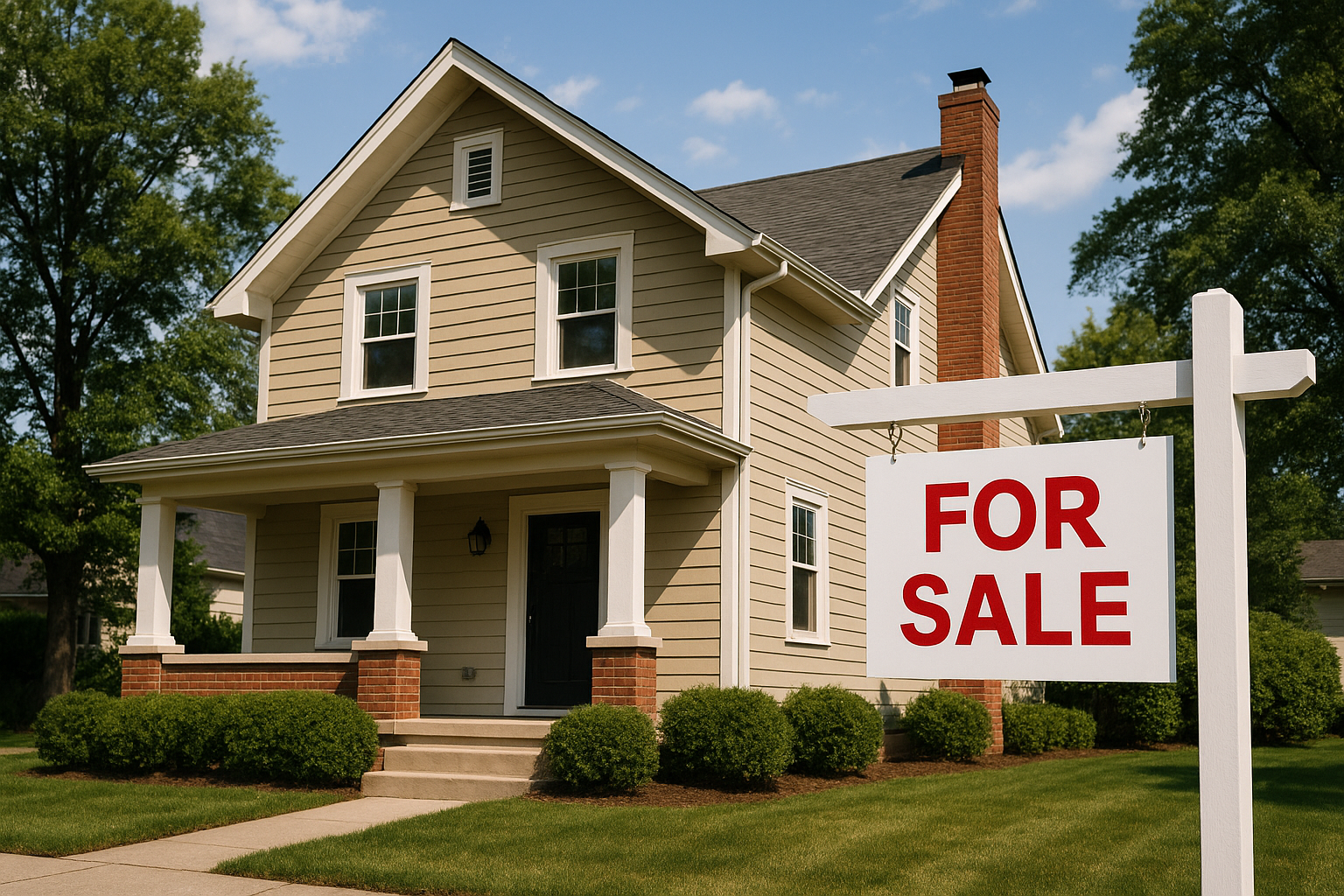
Cash Home Buyers Virginia: What Homeowners Should Know
Selling a house in Virginia can feel simple in the beginning.
You decide you want to sell, you think about the price, and you imagine the process moving forward smoothly.
But real life is not always that clean.
Some homes need repairs. Some are inherited. Some are vacant. Some have tenants. Some owners live out of state. Some families are dealing with divorce, financial stress, missed payments, or a property they no longer want to manage.
In those situations, many homeowners start looking for cash home buyers Virginia.
A cash buyer can be a helpful option when you want a more direct way to sell your house. Instead of preparing the home for the traditional market, waiting for showings, and hoping a buyer’s financing goes through, a cash sale may offer a simpler path.
Still, selling your house for cash is a big decision.
Before accepting any offer, you should understand how cash buyers work, what makes this option different, and when it may or may not be the right fit.
What Is a Cash Home Buyer?
A cash home buyer is a person, investor, or company that can buy a property without using a traditional mortgage loan.
That means the sale does not depend on a bank approving the buyer’s financing.
This can reduce some common delays that happen in a traditional sale, such as lender review, appraisal concerns, loan conditions, or last-minute financing problems.
Cash home buyers in Virginia often purchase homes directly from sellers. Many of them are comfortable buying homes that need repairs, cleanout, updates, or a faster closing process.
A cash buyer may consider properties such as:
-
Houses that need repairs
-
Vacant homes
-
Inherited properties
-
Rental homes
-
Tenant-occupied houses
-
Outdated homes
-
Properties with water or fire damage
-
Houses with code or maintenance issues
-
Homes owned by out-of-state sellers
-
Properties that may not show well on the market
The main difference is convenience.
A cash buyer may be able to buy the property in its current condition, which can remove a lot of work from the seller’s side.
Why Virginia Homeowners Consider Cash Buyers
Homeowners in Virginia look for cash buyers for many different reasons.
Some want speed. Some want certainty. Some want to avoid repairs. Some are tired of owning a property that has become stressful or expensive.
Common reasons include:
-
The house needs major repairs
-
The seller does not want to list with an agent
-
The home is inherited
-
The property is vacant
-
The owner lives out of state
-
The seller is behind on payments
-
The home has tenants
-
The property needs cleanout
-
The seller is going through divorce
-
The house has been sitting unused
-
The owner wants to avoid showings
-
The seller wants a faster closing timeline
A traditional sale can work well when the home is updated, clean, and ready for buyers.
But if the house needs work or the seller does not have time, a cash buyer may be worth considering.
How Selling to a Cash Buyer Usually Works
The process is usually more direct than a traditional sale.
While every buyer may have a different process, it often follows a simple path.
First, the homeowner shares basic details about the property. This may include the location, condition, repairs needed, timeline, and any special situation.
Next, the buyer reviews the property and may ask to see it in person or through photos.
After that, the buyer makes a cash offer.
If the seller accepts, the closing process begins through the proper title or settlement process.
A simple version looks like this:
-
You share property details
-
The buyer reviews the home
-
You receive a cash offer
-
You compare your options
-
You choose whether to accept
-
Closing is scheduled
-
The sale is completed
The seller should always understand the offer clearly before moving forward.
A serious buyer should explain the price, closing timeline, fees, conditions, and next steps in plain language.
Cash Sale vs Traditional Listing
A traditional sale and a cash sale are not the same.
With a traditional listing, you may hire a real estate agent, prepare the home, take photos, schedule showings, wait for offers, negotiate with buyers, deal with inspections, wait for appraisal, and depend on the buyer’s financing.
That process can work well for a home that is in good shape and has strong buyer demand.
But it can also take time and money.
With a cash sale, the process may be more direct. The buyer may purchase the house as is, and the sale may avoid some financing-related delays.
Here is the simple difference:
| Selling Option | What It Usually Involves | Best For |
|---|---|---|
| Traditional listing | Repairs, showings, inspections, agent commissions, buyer financing | Homes in good condition where the seller has time |
| Cash sale | Direct offer, fewer steps, often as-is, no buyer mortgage approval | Homes needing repairs or sellers wanting a simpler process |
A traditional listing may bring a higher sale price if the home is market-ready.
A cash sale may be more practical if the home needs repairs, the timeline is short, or the seller wants fewer steps.
The best choice depends on your situation.
Can You Sell a House As Is for Cash in Virginia?
Yes, many cash buyers purchase houses as is.
Selling as is means the home is being sold in its current condition. The seller is not agreeing to make repairs before closing.
This can be helpful when the property needs work and the seller does not want to spend more money before selling.
An as-is cash sale may make sense if the house has:
-
Roof problems
-
Plumbing issues
-
Electrical concerns
-
Water damage
-
Old flooring
-
Foundation concerns
-
Mold concerns
-
Fire or storm damage
-
Outdated kitchen or bathrooms
-
Broken fixtures
-
Yard cleanup needs
-
Junk or belongings inside
-
Years of deferred maintenance
Many traditional buyers want a home that feels move-in ready. If the property needs major work, they may ask for repairs or credits after inspection.
A cash buyer may be more willing to look at the property based on its current condition.
That does not mean every offer will be right.
It simply means you may have another option besides fixing everything before selling.
Will a Cash Offer Be Lower Than Market Value?
A cash offer may be lower than what a fully repaired house could sell for on the open market.
That is normal.
Cash buyers usually look at the property condition, repair costs, resale value, holding costs, risk, and closing timeline before making an offer.
But the sale price is not the only number that matters.
A traditional sale may involve costs such as:
-
Repairs
-
Cleaning
-
Staging
-
Agent commissions
-
Closing costs
-
Holding costs
-
Utilities
-
Insurance
-
Property taxes
-
Buyer repair requests
-
Time waiting for the right buyer
If the house needs repairs, those costs can reduce what you actually keep after the sale.
That is why homeowners should compare the full picture.
A cash offer may be lower upfront, but it may also help you avoid repairs, showings, delays, and uncertainty.
For some sellers, that convenience is worth considering.
When a Cash Buyer May Make Sense
A cash buyer may be a good fit when the traditional selling process feels too slow, expensive, or stressful.
It may make sense if:
-
You need to sell quickly
-
You do not want to repair the property
-
The home is vacant
-
You inherited the house
-
You live outside Virginia
-
The property has tenants
-
You are tired of being a landlord
-
You are behind on payments
-
The house needs major updates
-
You want to avoid showings
-
You want a simpler process
-
You do not want to deal with contractors
This option is not for everyone.
If your home is updated, in a strong location, and you have time to wait, listing with an agent may be worth exploring.
But if your main goal is speed, simplicity, or avoiding repairs, a cash sale can be a practical option.
What Types of Homes Do Cash Buyers Purchase?
Cash home buyers in Virginia may purchase many different types of properties.
These can include:
-
Single-family homes
-
Townhomes
-
Condos
-
Rental properties
-
Vacant houses
-
Inherited homes
-
Older homes
-
Damaged properties
-
Homes needing cleanout
-
Tenant-occupied houses
-
Houses with outdated interiors
-
Properties that need major repairs
The home does not need to be perfect.
In many cases, homeowners contact cash buyers because the home is not perfect.
A cash buyer is usually looking at what the property can become after repairs or improvements, not only how it looks today.
Selling an Inherited House for Cash in Virginia
Inherited homes can be emotional and difficult to manage.
The property may still have belongings inside. It may need repairs. Multiple family members may be involved. Some heirs may live nearby, while others may live in another state.
A cash sale can sometimes make the process easier because it may reduce the need for repairs, cleaning, showings, and long negotiations.
Families may consider a cash buyer when:
-
No one wants to keep the house
-
The home needs work
-
The property is vacant
-
The heirs want a simpler sale
-
Repairs are too expensive
-
The house has old belongings inside
-
The family wants to move forward without months of preparation
Before selling, it is important to confirm who has authority to sell the property.
If there are estate, title, or probate questions, speak with a qualified professional before making a final decision.
Selling a House Fast in Virginia
Some homeowners need to sell quickly.
A fast sale may be needed because of relocation, financial pressure, divorce, job change, inherited property, tenant issues, or a house that is costing money every month.
A traditional sale can take time because it may involve repairs, listing preparation, showings, inspections, appraisal, buyer financing, and closing delays.
A cash buyer may help simplify the process because the sale does not rely on a buyer getting approved for a mortgage.
Still, speed should not mean confusion.
Even if you need to sell fast, the offer should be clear.
You should understand the buyer, the terms, the timeline, and what happens before closing.
Selling a House With Tenants
Selling a rental property can be more complicated than selling a vacant house.
There may be lease terms, access issues, unpaid rent, property damage, or tenants who do not want to cooperate with showings.
Some traditional buyers may not want to deal with tenant-occupied homes.
Cash buyers may be more open to reviewing rental properties, depending on the situation.
Before selling, think about:
-
Lease terms
-
Tenant payment history
-
Property condition
-
Access for viewing
-
Whether the buyer will accept tenants
-
Any local requirements that may apply
If you are unsure, speak with a professional who understands rental property sales.
The more you understand the tenant situation, the easier it is to compare your selling options.
What If You Are Behind on Payments?
If mortgage payments are missed, time becomes important.
Some homeowners consider a cash sale because they want to avoid a longer and more stressful situation.
The right step depends on the mortgage balance, payoff amount, missed payments, lender timeline, taxes, liens, and closing timeline.
Before accepting any offer, check:
-
Mortgage payoff amount
-
Late fees
-
Property taxes
-
Any lender notices
-
Liens or judgments
-
Closing timeline
-
Whether the sale can close in time
Do not ignore lender communication.
If the situation is urgent, speak with your lender, a housing professional, attorney, or title company so you understand your options.
What to Check Before Accepting a Cash Offer
Not all cash buyers are the same.
Before accepting an offer, look at more than the price.
Ask questions such as:
-
Is the offer in writing?
-
Who is buying the property?
-
Does the buyer have proof of funds?
-
Are there any fees?
-
Who pays closing costs?
-
Will the house be bought as is?
-
Can I choose the closing date?
-
What happens if title issues appear?
-
Is there an inspection period?
-
Will closing happen through a proper title or settlement process?
-
Is there pressure to sign immediately?
A reliable buyer should be able to explain the process clearly.
You should not feel rushed or confused.
Selling a house is too important to move forward without understanding the details.
How to Compare Your Options
The best way to decide is to compare your options honestly.
Do not only compare the offer price.
Compare what happens after costs, time, repairs, and stress.
Ask yourself:
-
How much would repairs cost?
-
How long would repairs take?
-
Can I afford repairs upfront?
-
How long can I keep paying holding costs?
-
Would the home pass a buyer inspection?
-
Would a traditional buyer need financing?
-
How much would commissions and fees cost?
-
How quickly do I need to close?
-
How much work do I want to handle?
A traditional sale may be better if you want the highest possible market price and have time to prepare the house.
A cash sale may be better if you want fewer steps and a simpler timeline.
There is no one right answer for every homeowner.
The right choice depends on your property, timeline, and goals.
How Crest Home Buyers Can Help
Crest Home Buyers works with Virginia homeowners who want a simpler way to sell their property.
If your house needs repairs, is vacant, inherited, difficult to list, or you simply do not want to deal with the traditional selling process, Crest Home Buyers can review the property and explain a direct cash offer option.
This may help you avoid:
-
Repairs
-
Cleaning and staging
-
Repeated showings
-
Buyer financing delays
-
Inspection negotiations
-
Long listing timelines
-
Uncertainty around closing
Crest Home Buyers can help you understand your options and decide whether a cash sale makes sense for your situation.
Final Thoughts
Cash home buyers in Virginia can be a helpful option for homeowners who want a more direct way to sell.
A cash sale may make sense if the house needs repairs, the property is inherited, the home is vacant, tenants are involved, or you want to avoid a long traditional listing process.
But the decision should not be rushed.
Review the offer. Ask questions. Compare your costs. Understand your timeline. Work with a buyer who explains the process clearly.
The best selling option is the one that fits your situation.
If you want to sell your Virginia house without repairs, repeated showings, or buyer financing delays, Crest Home Buyers can review your property and provide a cash offer.
Need a cash offer for your Virginia house? Crest Home Buyers can help you understand your options.
Tell Us About Your Property
FAQs
What are cash home buyers in Virginia?
Cash home buyers are people, investors, or companies that buy houses without relying on traditional mortgage financing. This can make the process more direct for sellers.
Do cash buyers buy houses as is in Virginia?
Many cash buyers purchase houses as is, which means the seller may not need to make repairs before closing.
Can I sell my Virginia house for cash if it needs repairs?
Yes. Many cash buyers consider homes that need repairs, updates, cleanout, or major work.
Is a cash offer lower than market value?
A cash offer may be lower than a fully repaired retail sale price, but sellers should also compare repairs, commissions, holding costs, timeline, and convenience.
Can I sell an inherited house to a cash buyer in Virginia?
Yes, inherited homes may be sold to cash buyers, but you should confirm who has authority to sell and resolve any title or estate-related questions first.
How fast can I sell my house for cash in Virginia?
The timeline depends on the property, title status, buyer, and closing process. A cash sale may move faster than a traditional sale because it does not depend on buyer mortgage approval.
Does Crest Home Buyers buy houses for cash in Virginia?
Yes, Crest Home Buyers can review Virginia properties and may provide a cash offer depending on the home, condition, title situation, and timeline.